Issue 28 · Tuesday, July 7, 2026 · Week of June 29 to July 6 · Strictly nonpartisan
One year after the Guadalupe rose, Washington’s Texas week ran through broadband money, veteran treatments, and a rule that failed on the floor.
|
If you read nothing else
Kerrville marked one year since the July 4 floods that killed more than 130 people, and the flood’s legislative legacy is already on next week’s interim calendar. In Washington, the federal broadband chief praised Texas’s plan but left unanswered what is holding up the money behind 31,000 rebid locations; a procedural vote failed 198 to 224 and stranded the defense bill before the holiday; and a hospital-transparency bill with reach into Texas’s large nonprofit systems advanced on party lines, 25 to 15.
|
01 · Biggest story
One year after the Guadalupe rose
One year after the July 4 floods killed more than 130 people, Kerrville read the names of its dead while Texans in Washington argued over what the federal role should have been.
Gov. Greg Abbott spoke in Kerrville on July 4, called the 2025 disaster the region’s darkest Fourth of July, and read the victims’ names ( Fox 4). The storms dumped about 20 inches of rain and killed more than 130 people, most in Kerr County, including 27 campers and counselors from Camp Mystic ( CBS Texas, Texas Tribune). A memorial garden with bronze plaques for the victims was dedicated over the weekend.
In Washington, Rep. Chip Roy (R-Texas) closed the June 30 House floor session with a 30-minute speech on the anniversary. He said private donors raised more than $150 million for recovery, more than half already distributed, and that more than 850 people were rescued during the response; both figures are his. He also criticized unnamed statewide officials in Austin for, in his words, pointing fingers at Camp Mystic’s operators. The flood’s legislative legacy is already in interim oversight: Senate Bill 1 from the 89th Legislature’s second called session, the campground and youth camp safety law passed after the disaster, is on a Senate committee’s monitoring charge for July 8.
“My view is we’re the eighth biggest economy in the world. We have 31,000,000 people, and the federal government is not an ATM for every ill that befalls the people. And I’m proud of the people of Texas stepping up. Yes, FEMA was there. Yes, the federal government was a part of the effort in dealing and managing with the aftermath, getting assets there, coast guard heroism.”
Rep. Chip Roy, R-Texas, US House floor, June 30.
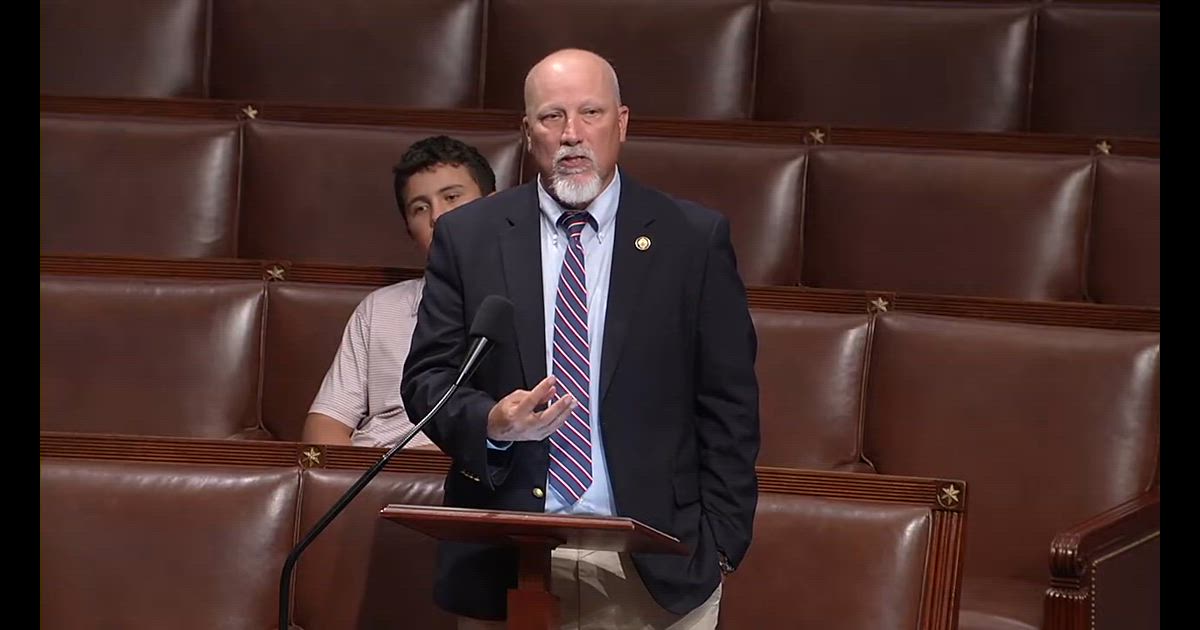 ▶ Watch the clip on USLege
Why it matters. The camp safety law’s implementation review lands July 8 (see The Docket). The anniversary debate over the federal share of disaster response is unresolved and will shape the next recovery fight.
02 · Broadband
Texas broadband: 31,000 locations rebid, funds in limbo
The federal broadband chief told House lawmakers Texas’s plan is approved and praised its 32 percent state match, but never answered what is holding up the money behind 31,000 rebid locations.
At a June 30 House Energy and Commerce oversight hearing, National Telecommunications and Information Administration (NTIA) Administrator Arielle Roth took questions on the Broadband Equity, Access, and Deployment (BEAD) program, the federal fund paying for last-mile buildout. Rep. Craig Goldman (R-Texas) pressed her on delayed releases after federal program changes forced Texas to rebid 31,000 locations. Roth said Texas’s final proposal was approved with a diverse technology mix, that its 32 percent state match exceeds the statutory minimum, and that Texas has already signed a contract with a low-Earth-orbit (LEO) satellite provider for immediate service. She did not directly answer what is causing the hold-up; guidance is promised this summer after a missed March 2026 deadline. Rep. August Pfluger (R-Texas) submitted a written question on keeping the state’s promised $1.5 billion match separate from federal dollars, so the state and federal funds are not spent on the same locations; answers are due July 15.
“What is causing these funds to be held up, and how will NTIA ensure that any delays not make it harder for Texas to reconnect these vacant locations or leave Texans with lower quality service options?”
Rep. Craig Goldman, R-Texas, to Administrator Roth, June 30.
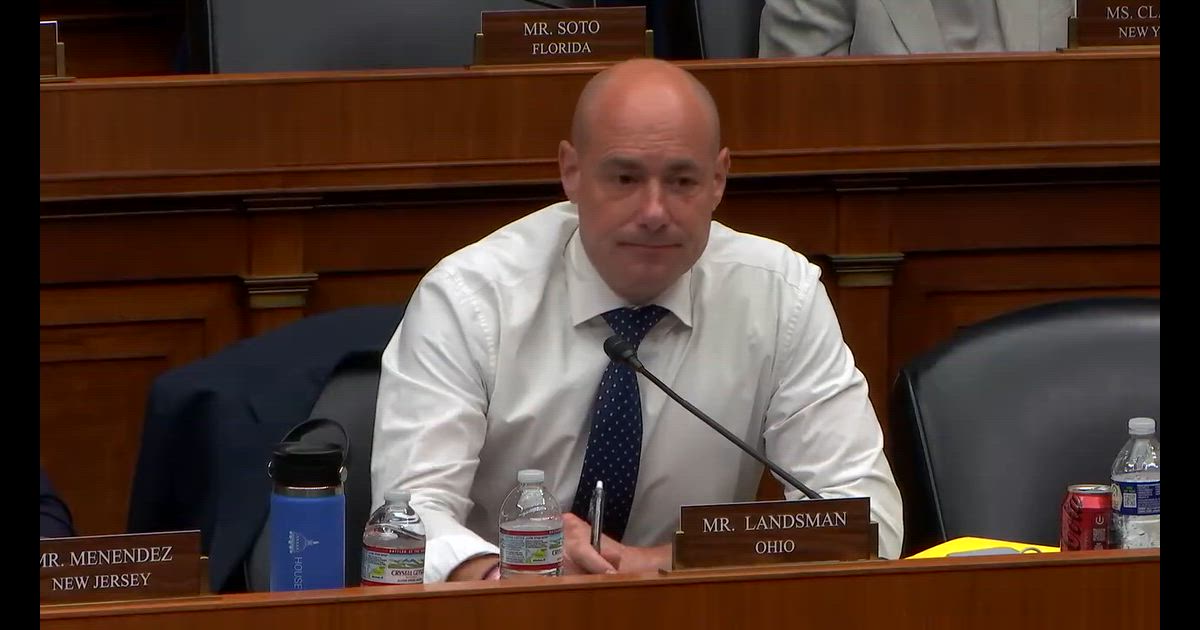 ▶ Watch the exchange on USLege
Why it matters. Providers and local governments planning around BEAD awards now have two concrete watch items: the summer guidance and the state’s further contract announcements. The unanswered hold-up question is the gap between an approved plan and money moving.
03 · Washington
The rule failed, stranding the defense bill before the holiday
A procedural vote most weeks nobody watches failed 198 to 224, stopping the defense bill, a State Department funding bill, and two other measures from reaching the House floor.
Before any major bill gets a House vote, the chamber first adopts a rule, a resolution setting the terms of debate; if the rule fails, everything under it stalls. On June 30 the House rejected House Resolution 1398, the rule covering the fiscal 2027 National Defense Authorization Act (NDAA, the annual defense policy bill, with a $1.15 trillion topline cited in debate), the State and Foreign Operations appropriations bill (H.R. 8595), a veterans work-incentives bill (H.R. 8884), and a resolution marking the tax law’s first anniversary. The rule also would have attached the SAVE America Act, a voter citizenship-verification measure, to the defense bill after passage. The chair announced the tally: 198 yeas, 224 nays, not adopted ( Roll Call 231). Fourteen Republicans joined Democrats against the rule, among them Texans Chip Roy and Keith Self ( The Hill). The House then left for a district work period through July 12. The same day, members adopted, 420 to 0 with one voting present, a resolution requiring public release of records on taxpayer-funded harassment settlements, and rejected, 189 to 235, a resolution directing removal of US forces from hostilities in Lebanon. Watch the announcements in the June 30 floor record.
Why it matters. The stalled package carries Texas-specific cargo, including the veteran treatment amendments in the next story. Until a new rule passes, none of it moves.
04 · Veterans
Texas as the model in the veterans psychedelics debate
When House members debated psychedelic-assisted therapy for veterans, the state they kept pointing to was Texas.
At the June 30 Rules Committee hearing on the defense bill, Rep. Morgan Luttrell (R-Texas), a retired Navy SEAL, testified for his amendments extending a Walter Reed trial authority for psychedelic-assisted therapy through September 2033. He cited Texas’s state-funded ibogaine research initiative (Senate Bill 2308, signed in June 2025, which authorized $50 million for clinical trials under Food and Drug Administration supervision; the state has since moved to expand the program) as evidence states are building the guardrails, and told the committee longitudinal studies show ibogaine success rates of 85 percent after one dose for heroin addiction and above 90 percent after a second; the figures are his characterization and exceed what published studies have established.
“Countries outside the continent of The United States have been doing this for a while, and I think conversations with them here and Texas was very open about those conversations, and I think that they’re in a really good place.”
Rep. Morgan Luttrell, R-Texas, House Rules Committee, June 30.
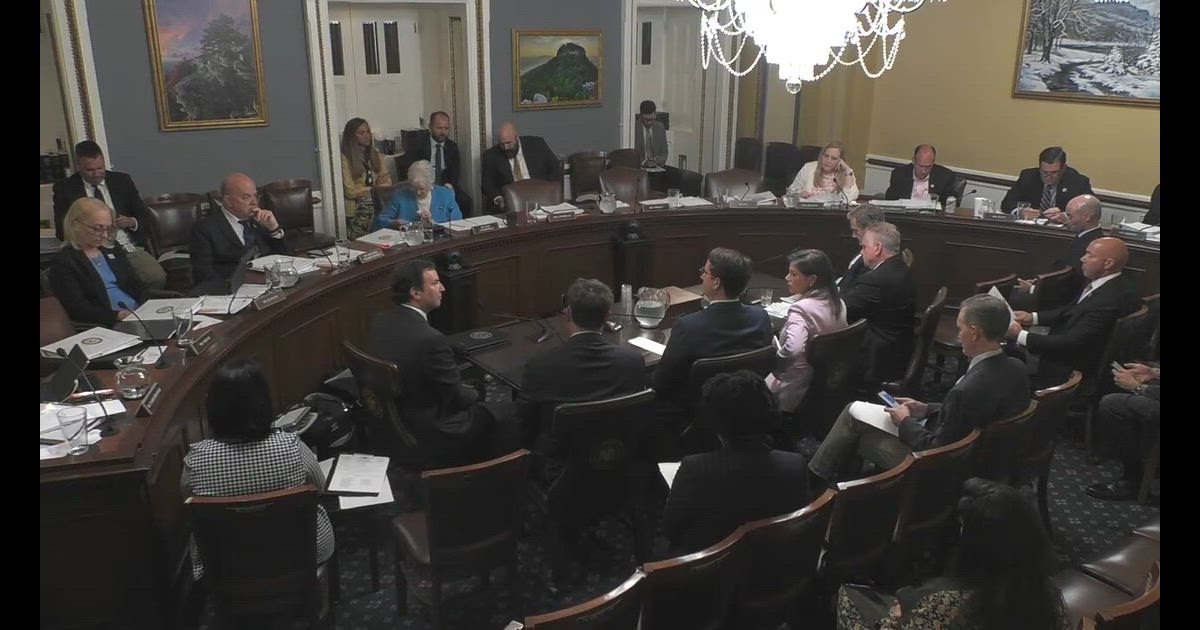 ▶ Watch this moment on USLege
Why it matters. This is a momentum story, not a decision: the failed rule (story 3) means the amendments did not reach the floor before the recess. The federal-state pairing, with Texas’s consortium cited as the model, is the thread to watch when the defense bill returns.
05 · Health finance
Hospital transparency bill advances on party lines
A bill making large tax-exempt hospitals show more of their financial work cleared the House tax committee 25 to 15, over objections that it burdens rural nonprofits.
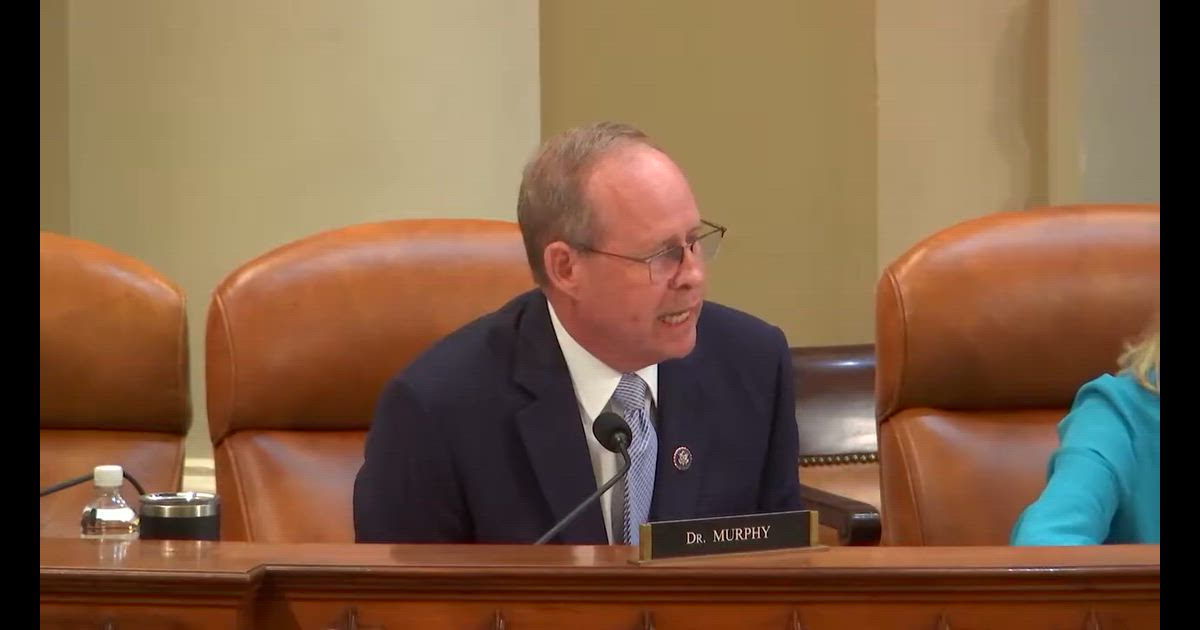
In a July 1 Ways and Means markup, the session where a committee amends and votes on bill text, H.R. 9504 would require tax-exempt hospitals with net patient revenue above $100 million, or 100 or more beds, to file added detail on their Form 990, the annual nonprofit tax return, and orders a Government Accountability Office (GAO) study including the hypothetical tax liability of the 25 largest systems. Congressional tax staff scored the revenue effect as negligible. Sponsor Rep. Greg Murphy (R-North Carolina) called it basic disclosure; Democrats called it a first step toward challenging hospitals’ tax exemption and a pressure tactic tied to the 340B drug discount program, which lets certain hospitals buy outpatient drugs at reduced prices. Texans split with their parties: Reps. Jodey Arrington and Beth Van Duyne voted yes; Rep. Lloyd Doggett opposed. Six other tax administration bills passed the same day, five nearly unanimously.
“It’s very simple. It’s fourth grade stuff. Show your work. Let us all be reassured that the good actors are doing the good things.”
Rep. Greg Murphy, R-North Carolina, Ways and Means markup, July 1.
 ▶ Watch this moment on USLege
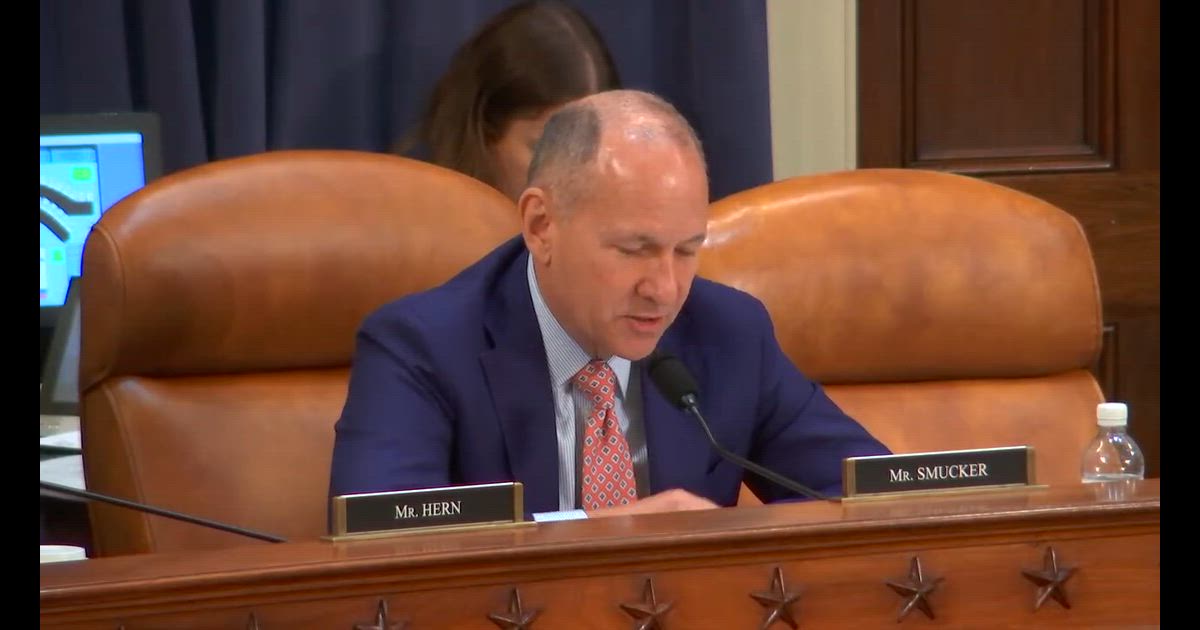
“Too many Americans are already struggling to access and afford basic health care. That challenge is even more acute in rural communities like the ones that I represent, where every hospital is a nonprofit.”
Rep. Mike Thompson, D-California, Ways and Means markup, July 1.
 ▶ Watch this moment on USLege
Why it matters. Texas nonprofit hospitals above the $100 million revenue threshold would file the added detail, and the GAO study of the 25 largest systems sets up the next round of this fight.
06 · Oversight
Watchdog: child-facility monitoring missed the mark in Texas
A new federal audit says required monitoring of facilities housing unaccompanied migrant children in Texas and Florida happened only 69 percent of the time.
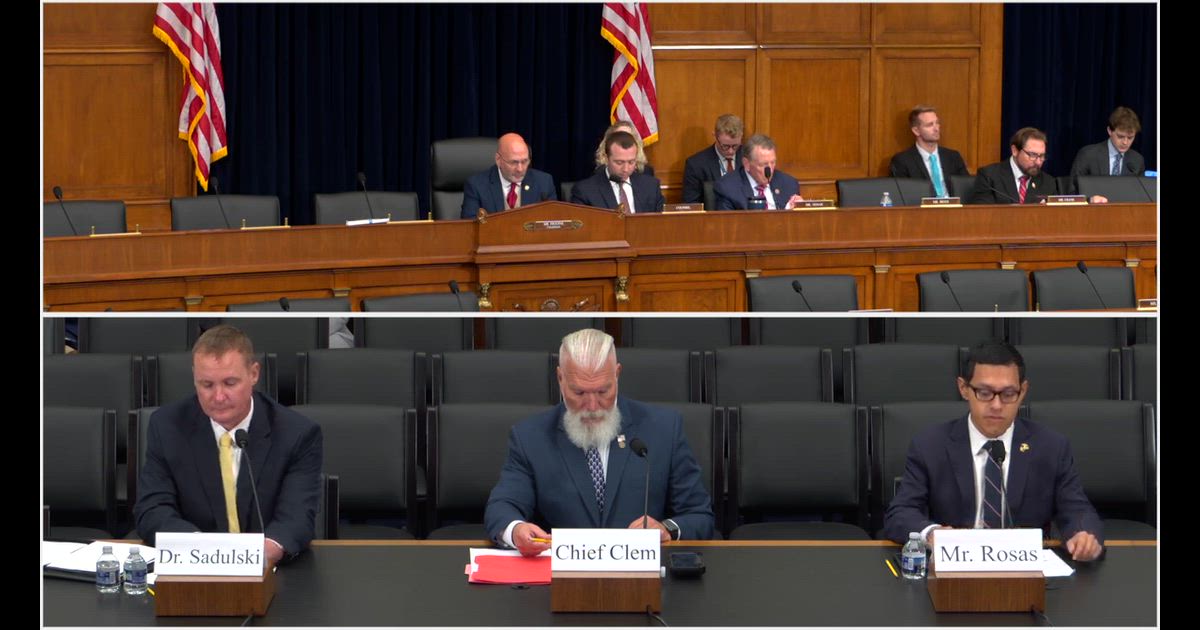
At a June 30 House Oversight subcommittee hearing, subcommittee Chair Clay Higgins (R-Louisiana) cited a June 2026 audit by the Health and Human Services Office of Inspector General (HHS OIG), the department’s internal watchdog, on the Office of Refugee Resettlement (ORR), the agency that houses unaccompanied children. The audit covers unlicensed care providers in Texas and Florida, the two states that stopped licensing these facilities in 2021. Rep. Michael Cloud (R-Texas) described touring South Texas facilities and holding sites. Witness Chris Clem, a retired Border Patrol chief patrol agent who later advised ORR, testified sponsor vetting once took less documentation than adopting a shelter dog and now requires government identification, DNA checks for claimed relatives, and FBI fingerprints for adult household members. One caution for readers: Democratic members were largely absent from the hearing, so the record reflects one party’s questions; the audit is a document that can be checked on its own terms.
“A subsequent audit by HHS OIG released just this month found that during the Biden administration, the Office of Refugee Resettlement conducted required monitoring of UAC [unaccompanied children] care facilities in Texas and Florida only 69[%] of the time, [and ORR] created numerous opportunities for facility staff to be onboarded without undergoing background checks.”
Rep. Clay Higgins, R-Louisiana, subcommittee chair, June 30. Bracketed words correct the automated transcript.
 ▶ Watch this moment on USLege
Why it matters. Texas facilities are the case studies in a monitoring regime now being rebuilt under new vetting rules. The audit document itself, and any Democratic response to it, are the next things to read.
By the numbers
|
198–224 · the House vote that stranded the defense bill
31,000 · Texas broadband locations forced into rebid
32% · Texas’s BEAD state match, above the statutory minimum
$150M+ · private flood-recovery donations, per Rep. Roy
69% · share of required Texas and Florida facility monitoring completed, per the HHS OIG audit
25–15 · the party-line committee vote on hospital transparency
|
Also moving this week
The House adopted, 420 to 0, a resolution requiring public release of taxpayer-funded harassment-settlement records. A House Energy and Commerce panel heard testimony on US robotics and technology competitiveness, including a call from Boston Dynamics’ chief legal officer for a national robotics strategy (more in What we are tracking below). The Texas Register published Volume 51, Issue 27 on July 3. No new Texas executive orders were filed in the window. The Texas Legislature held no hearings during the holiday week; interim work resumes July 7.
|
The Docket · week of July 6
Tuesday, July 7, 10:00 a.m., Capitol Extension E1.012. Senate Health and Human Services, interim charges: societal impacts of THC (tetrahydrocannabinol) product consumption; crisis mental health and homelessness services; monitoring of the Texas Child Mental Health Care Consortium. Notice · Add to Google Calendar
Wednesday, July 8, 8:30 a.m., Capitol Extension E1.012. Senate Health and Human Services, interim charges: exploitation of the surrogacy and fertility industries; monitoring, including Senate Bill 1 (89th Legislature, second called session) on campground and youth camp safety and House Bill 3595 on assisted-living emergency plans. Notice · Add to Google Calendar
Wednesday, July 8, 11:00 a.m., San Antonio. House Subcommittee on Defense and Veterans’ Affairs, interim charges: implementation of House Bill 114 (89th Legislature), which transfers veteran mental-health programs to the Texas Veterans Commission; access to legal representation for veterans’ benefits claims. Notice · Add to Google Calendar
What we are tracking
|
The week’s most-watched hearing did not move a bill. At House Energy and Commerce, a Boston Dynamics attorney urged Congress to adopt a national robotics strategy, and witnesses debated whether the country deploys new technology as fast as it invents it. The same tension runs through legislative oversight: the public record now grows faster than the hours available to read it. That is the discipline behind this brief. Every quote in this issue was drawn from a full transcript read, then checked by a person against the recording and the official tally before publication.
|
On the state calendar
|
The state-legislative meeting season opens
The membership organizations that convene state legislators from both parties hold their summer meetings this month.
Council of State Governments (CSG) West, 79th Annual Meeting: July 7 to 10, Salt Lake City ( CSG events).
American Legislative Exchange Council (ALEC) Annual Meeting: July 22 to 24, Orlando ( ALEC meetings).
National Conference of State Legislatures (NCSL) Legislative Summit: July 27 to 29, Chicago ( NCSL Summit).
|
Methodology. Every story in this issue is built from full transcript reads of the cited proceedings in USLege, cross-checked against official notices and public reporting linked inline. Vote tallies are as announced from the chair in the recorded proceedings. The Texas Legislature held no hearings this week; coverage follows the Texas-relevant federal record, and Monday-recorded meetings, if any, were not yet available at press time.
AI note. AI drafted this issue from primary-source transcripts and public records; a person reviews quotes, tallies, and links against the record before send. Automated transcripts can contain errors; bracketed words in quotes mark our corrections.
Texas Political Spotlight · Strictly nonpartisan
|