Tuesday, September 1, 2026 · Week of August 24 to August 31 · Strictly nonpartisan
With the Legislature in interim, this week’s committees kept checking the Legislature’s own laws against what actually happened on the ground, and kept finding gaps.
The Public Utility Commission settled need for two Permian Basin transmission dockets with a combined approved cost of nearly $3.95 billion while ordering closer landowner accommodation; constables reported Texas’s new squatter-removal law working on the civil side while its companion criminal penalties sit unused; a House committee pressed Bastrop’s mayor on whether an out-of-town council retreat crossed the spirit of the Texas Open Meetings Act; the same committee heard an Angelina County judge describe the Texas Public Information Act being used to pressure officials from office; Rio Grande Valley lawmakers confronted a water-infrastructure funding gap of about one dollar for every seven requested; and testimony showed two of the state’s largest counties, 9th- and 12th-largest by population, still have no medical examiner, more than 150 years into a death-investigation system built for a much smaller Texas.
01 · Energy & Property Rights PUC Settles Need for 765kV “Import Path One,” Orders Oncor to Work with Landowners on Routing
At its August 28 open meeting, the Public Utility Commission of Texas (PUC) adopted administrative law judges’ (ALJs’) finding that the Permian Basin Reliability Plan’s “Import Path One” 765-kilovolt transmission project, Docket Nos. 59029 and 59315, covering the western and eastern legs through more than 20 West and Central Texas counties, is needed under House Bill 5066’s grid-reliability mandate. Having settled need, the commission approved the western-leg route ( Docket 59029) with an order directing Oncor Electric Delivery to work individually with affected landowners to avoid bisecting properties. It deferred the eastern-leg routing decision ( Docket 59315, which runs near Dinosaur Valley State Park) and a separate, larger docket, the Howard-Del Solstice line, through Val Verde, Uvalde, and Edwards counties among others, to a future meeting.
The commission heard roughly 90 minutes of public comment split sharply between landowners urging denial and industry witnesses warning of imminent Permian Basin reliability risk. A landowner witness testified, unrebutted on this record, that the Electric Reliability Council of Texas (ERCOT), the state’s grid operator, ran two different 2024 planning models for the same Permian Basin load forecast with widely different generation-balancing assumptions, 17,000 megawatts in one, 59,000 in the other, without a public explanation for the gap. On the industry side, Todd Staples, president of the Texas Oil and Gas Association, testified that “there are six gigawatts of unmet, unconnected demand in West Texas now,” framing the need as immediate rather than speculative: “we’re not thinking about data centers in the future… it’s today, not tomorrow.” Betsy Madru of Diamondback Energy testified to interconnection wait times exceeding two years and cited the industry’s roughly $27 billion contribution to state roads and schools last year. Utility and ERCOT counsel argued separately that ERCOT’s reliability plan is entitled to “great weight”, a legal standard giving ERCOT’s technical findings a presumption of correctness, under PUC rule, and that further delay risks rolling blackouts in the Permian Basin as soon as next summer; no ERCOT staff witness testified directly at this meeting to address the dual-model discrepancy itself.
“Texas law gives you the authority to approve and to deny. I’m asking you to deny.”
Brandon Huckabee, Erath County Judge, Aug. 28. 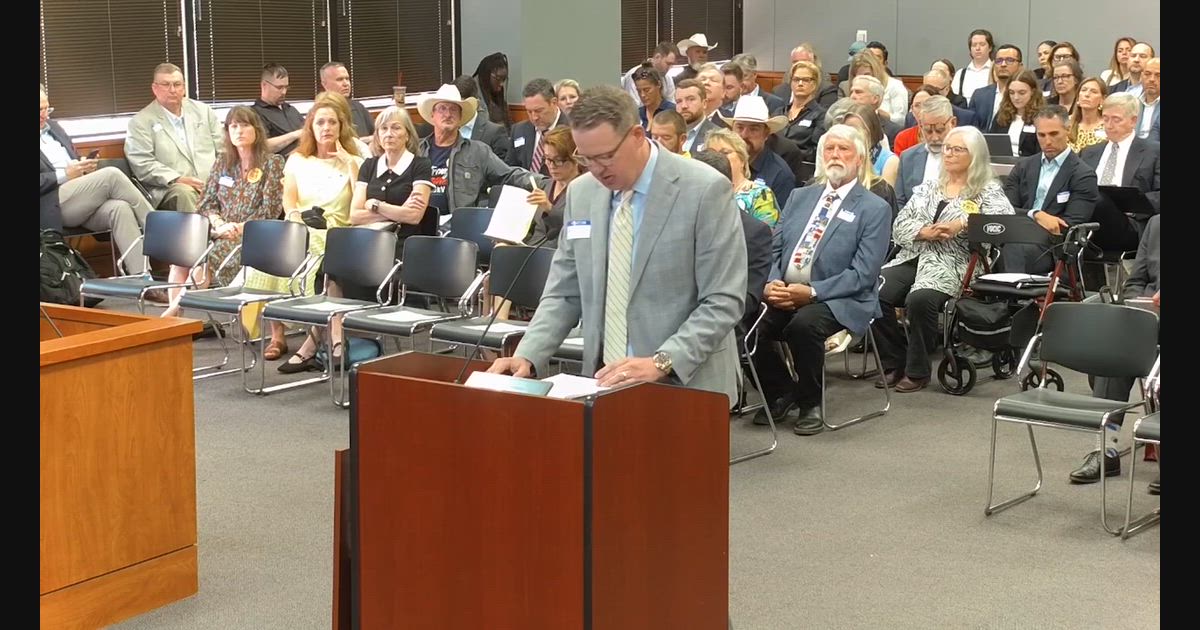 ▶ Watch this moment on USLege
“After reviewing those recommendations from the ALJs and the evidence in the record, I believe the evidence establishes the need for these transmission lines and the associated facilities for Import Path One.”
Thomas J. Gleeson, PUC Chairman, Aug. 28. 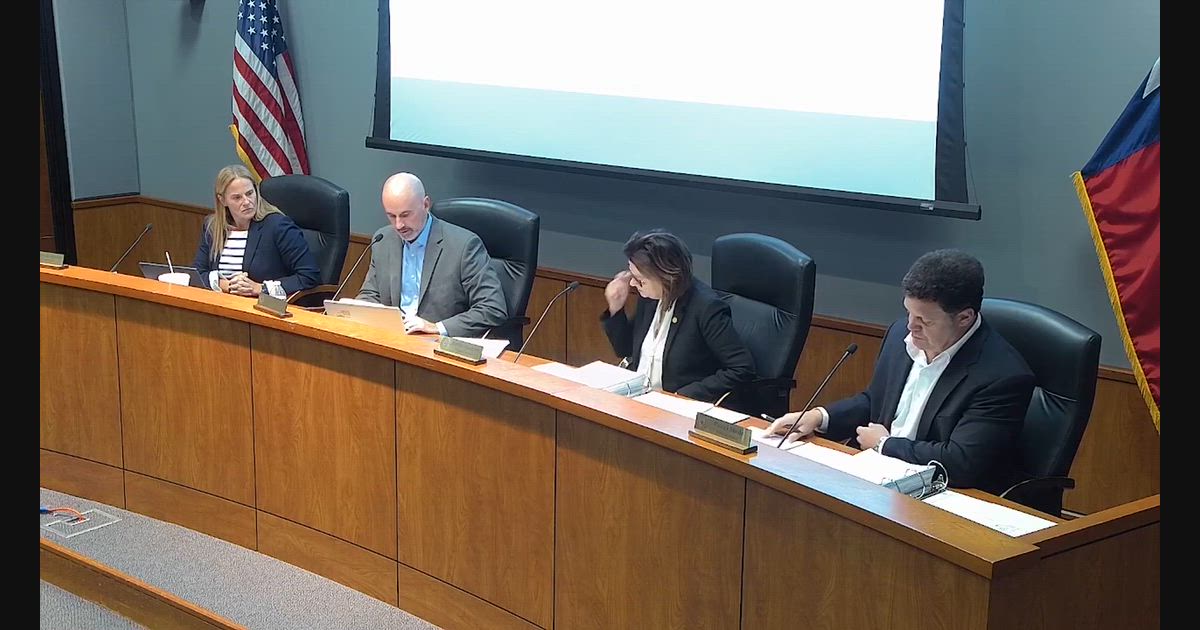 ▶ Watch this moment on USLege Why it matters: Settling need here clears the biggest procedural hurdle facing three separate 765kV dockets moving through the Legislature’s 180-day statutory review clock. Landowners get an individual negotiation on the western leg rather than a blanket order, but the harder routing calls, including one line near a state park, remain unresolved. The unrebutted testimony about ERCOT’s two conflicting load models is now part of the record the commission will have to address before it rules on what’s left.
02 · Property Rights & Criminal Justice Squatter-Removal Law Is Working on the Civil Side, Statewide Constable Survey Finds; Its Criminal Penalties Sit Unused
The Justice of the Peace and Constable Association of Texas (JPCA) surveyed constable offices statewide ahead of a House Trade, Workforce & Economic Development hearing on the implementation of Senate Bill 1333, the 89th session’s squatter-removal law. Of 178 offices that responded, roughly 41 percent, or about four in ten, had handled at least one squatter complaint; those offices reported 232 total complaints and 144 removals carried out under SB 1333’s streamlined civil process, a removal rate of about six in ten complaints. Not a single responding office reported an arrest under either of the two new criminal penalties (Penal Code Sections 32.56 and 32.57) the law created alongside the civil process.
Constable Chad Jordan of Hood County, presenting the survey, said the civil process replaced an era when officers had little to offer property owners beyond “this could be a civil matter, go see the JP.” The survey’s other finding runs in the opposite direction: the single most common problem constables described was people attempting to use the streamlined SB 1333 process against actual former tenants, family members, or previously invited guests, not true squatters. JPCA’s proposed response is procedural rather than punitive: tighten the statutory definition, close the ownership-verification gap, and standardize which agency, constable, sheriff, or JP, is the single point of contact per county, after the survey found inter-agency coordination inconsistent in a significant share of responses. No witness disputed JPCA’s findings or offered a competing dataset at this hearing.
“We received responses from 178 constable offices across the state, and here’s where we stand: 232 total squatter complaints and 144 removals carried out under Senate Bill 1333, a removal rate of roughly six out of ten complaints.”
Chad Jordan, Constable, Precinct 4, Hood County, Aug. 26. 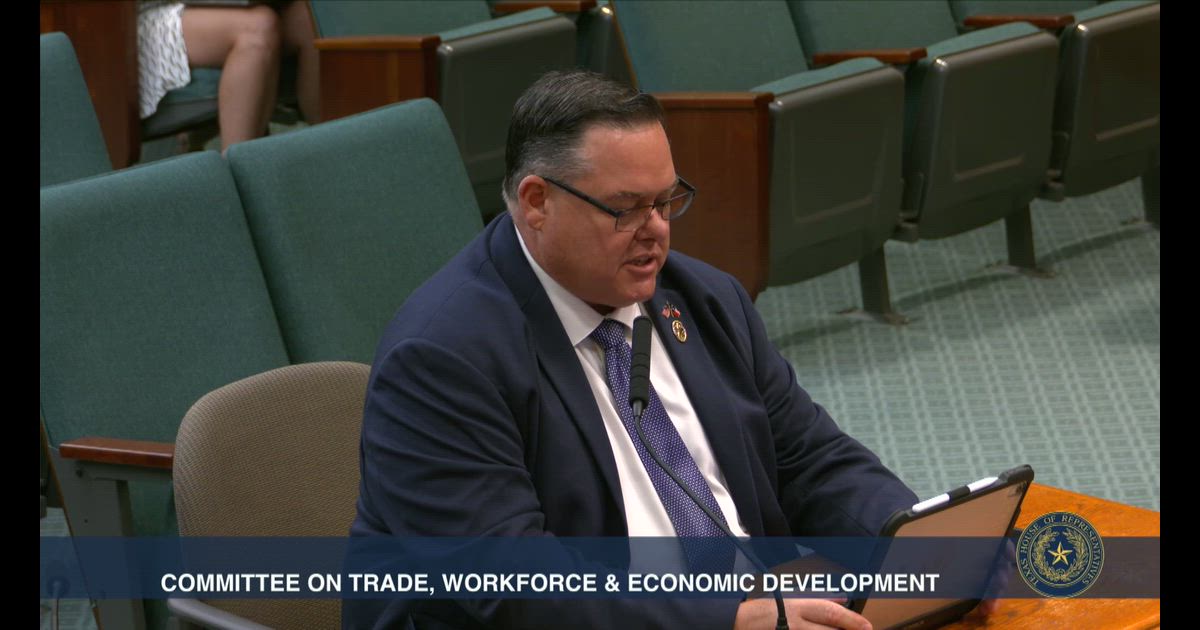 ▶ Watch this moment on USLege Why it matters: With 144 removals and zero criminal arrests across 178 responding offices, JPCA’s survey, the first statewide accounting of its kind that JPCA has produced, shows the civil half of the law working roughly as designed while the criminal half sits unused. The more common problem constables described, property owners mislabeling actual tenants or guests as squatters, is a gap the Legislature didn’t write rules for. JPCA’s proposed fixes give lawmakers a specific, ready-made starting point ahead of the 90th session, which convenes January 2027.
03 · Local Government Transparency Bastrop’s Out-of-Town Council Retreat Draws a House Committee Grilling Over the Spirit of the Open Meetings Act
The House Select Committee on Governmental Oversight, studying whether the Texas Open Meetings Act (TOMA) should specify where political subdivisions may physically meet, spent part of an August 26 hearing on a live example: the City of Bastrop’s two-day strategic-planning retreat, held in Fredericksburg rather than Bastrop, where the council discussed a budget shortfall, license-plate-reader cameras, and data centers. The Attorney General’s office testified no TOMA provision bars a city council from meeting outside its own territory, unlike school districts, which are barred by a separate statute; the office described only a case-by-case “accessible to the public” standard that has previously found meetings proposed in Mexico and New York probably too far, without ever drawing a Texas-specific radius. Bastrop’s mayor and city manager said the retreat was properly posted, livestreamed, and produced no formal vote.
Rep. Shelby Slawson pressed both officials on whether “direction” given at the retreat, including the framing that shaped the council’s tax-rate posture ahead of the vote it took days later, amounted to deciding the people’s business somewhere the people couldn’t easily attend. City Manager Sylvia Carrillo said the retreat produced “enough direction” that she went home and built a tax-rate recommendation around it; that self-description is the detail most likely to matter if lawmakers write a bright-line rule. Slawson also raised a local TV quote attributing to Mayor Ishmael Harris a statement that he’d hold a similar retreat again unless the Legislature stops him. The mayor and city manager’s own account, that the sessions were livestreamed, posted, and drew one in-person resident, is itself the strongest evidence against a hidden-government reading of the retreat.
“The question before this committee today isn’t really whether Bastrop held a workshop in Fredericksburg. The question is what kind of local government Texas wants to encourage for the next generation.”
Ishmael Harris, Mayor, City of Bastrop, Aug. 26. 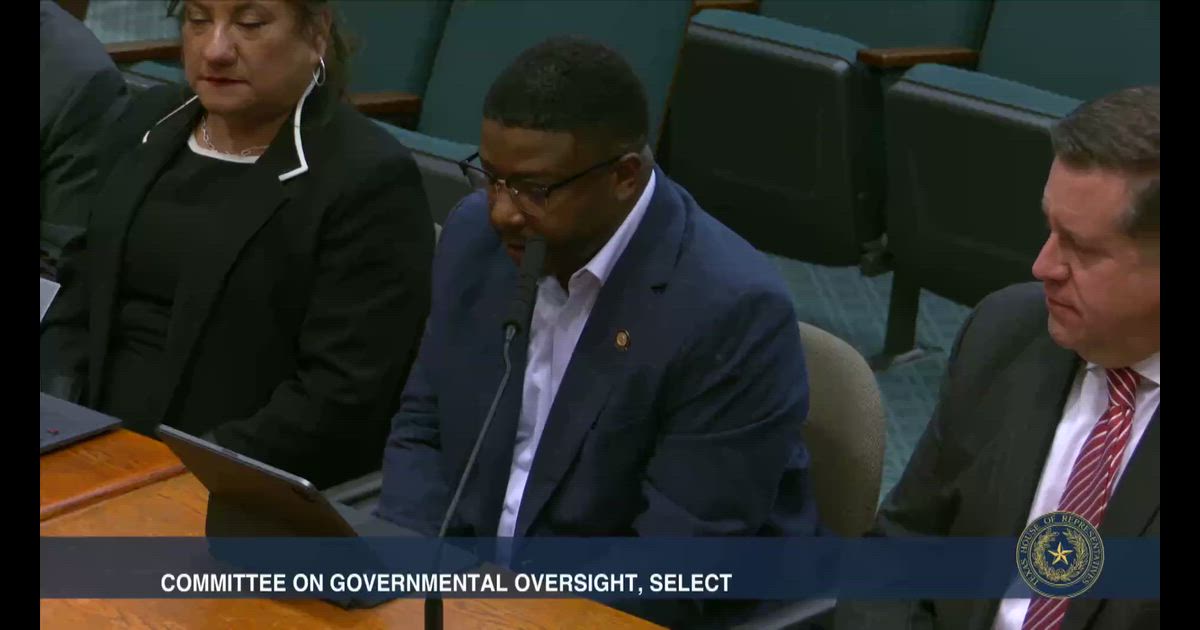 ▶ Watch this moment on USLege
“I don’t think that you are illegally holding a meeting… but it’s not within the spirit, I would suggest, of what the Open Meetings Act intends.”
Rep. Shelby Slawson (R-59), Aug. 26. 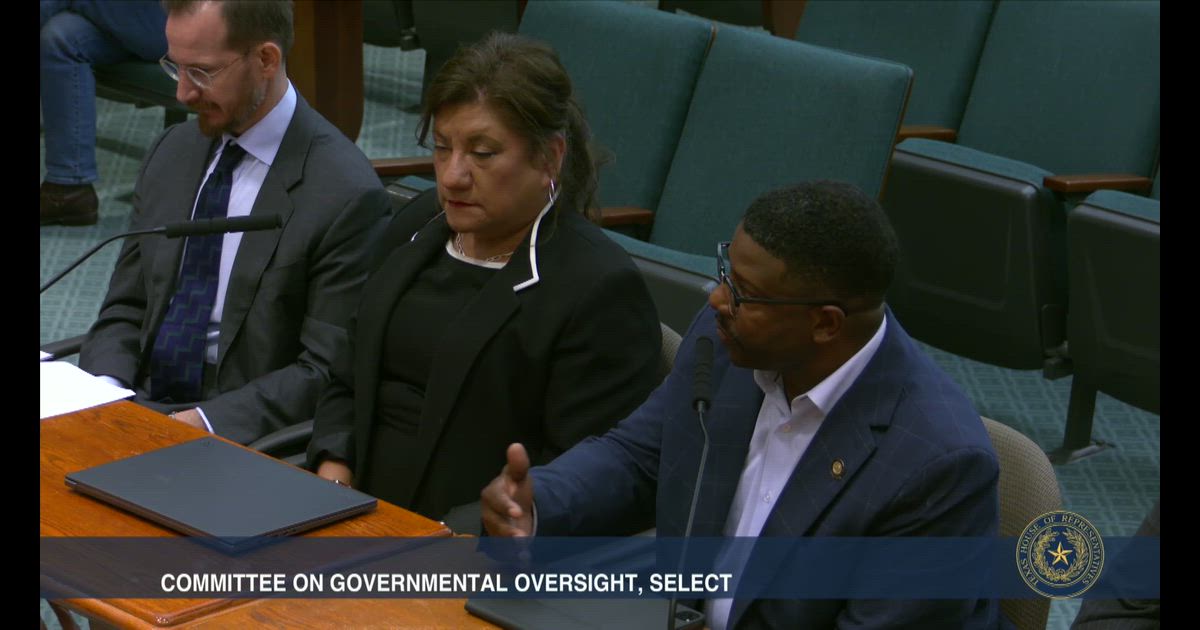 ▶ Watch this moment on USLege Why it matters: No Texas statute currently stops a city council from meeting anywhere in the state, and the Attorney General’s own opinions office told this committee it has never drawn a Texas-specific line for how far is too far, only case-by-case rulings on more extreme examples like Mexico and New York. Bastrop’s own account of the retreat producing “direction” behind a later tax-rate decision is the detail most likely to matter if lawmakers write a bright-line rule. Cities holding similar retreats now have a public signal the practice is under scrutiny, whatever the committee recommends.
04 · Local Government Transparency Angelina County Judge Tells Lawmakers the Public Information Act “Is Being Weaponized”
Angelina County Judge Keith Wright testified to the same House Select Committee on Governmental Oversight hearing, on the Texas Public Information Act (TPIA) charge, that a single individual has used the law to pressure officials out of office, by Wright’s account four in total, including Wright himself, through a sustained pattern of high-volume records requests, some submitted in Italian, one spanning 4,050 individual street addresses requiring a name-by-name search, paired with explicit threats of removal lawsuits unless the county funds a $60,000 “law librarian” position. Wright said the requester has stated in writing that they have “trained” an AI system to draft future public-information requests and removal lawsuits in a matter of hours. The committee heard nearly identical testimony about the same requester in 2016.
The named requester was not a witness at this hearing, and no rebuttal or independent verification of Wright’s specific claims, the four officials removed, the $60,000 demand, the AI-drafting statement, was heard in this session. That one-sidedness is a genuine limitation of the record, not a reason to withhold the story: the committee’s own decision to revisit a complaint it first heard nearly a decade ago suggests lawmakers recognize a gap between the Public Information Act’s cost-recovery and harassment protections and how high-volume requests are actually used against individual officials.
“The Texas Open Records Act is being weaponized. It’s being abused. I love transparency, I have no problem with transparency, I have no problem with providing information. I do have problems with being abused.”
Keith Wright, County Judge, Angelina County, Aug. 26. 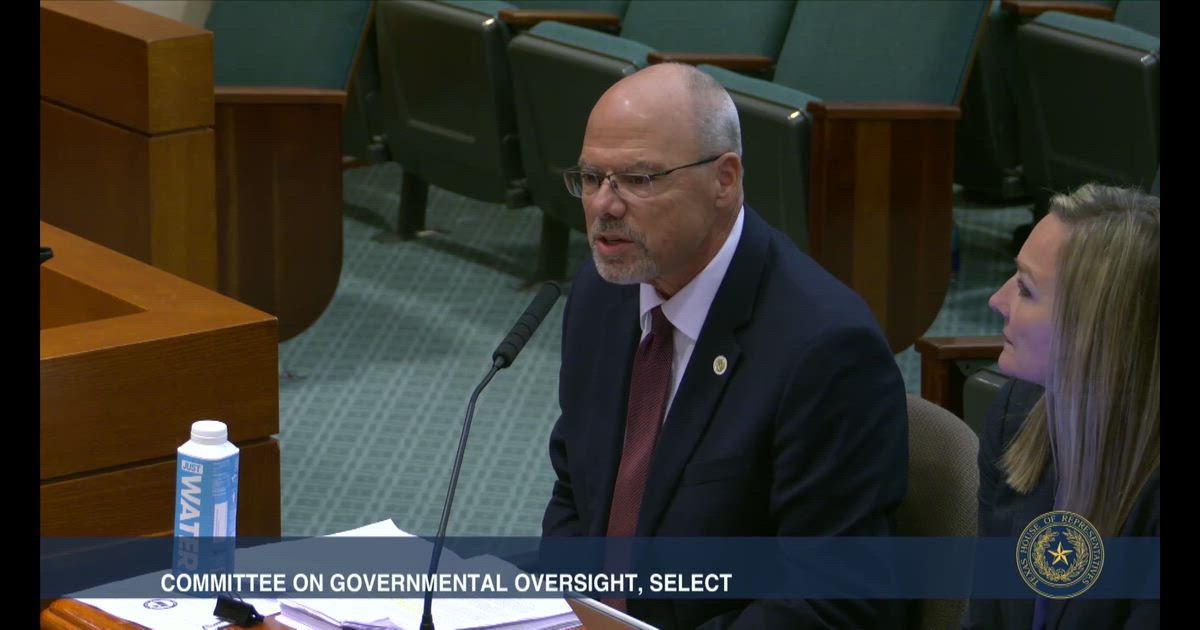 ▶ Watch this moment on USLege Why it matters: Wright’s testimony revives a complaint the same committee heard nearly a decade ago without acting on it, this time with AI-assisted drafting added to the pattern he describes. Because the named requester did not testify and no independent verification was heard, the specific figures here are Wright’s own account, not adjudicated fact. The committee’s decision to revisit the issue signals lawmakers see an unresolved gap between the Public Information Act’s protections and how high-volume requests can be used against individual officials.
05 · Water & Infrastructure Texas Has $1 Billion for Water Projects Next Year. Communities Asked for $6.9 Billion.
The Texas Water Development Board (TWDB) closed its most recent Water Supply and Infrastructure grant application window on July 30 with 682 applications requesting roughly $6.9 billion, against an announced FY2027 distribution target of about $1.025 billion, meaning roughly one dollar is available for every seven requested. TWDB staff, presenting the numbers at a House Natural Resources field hearing in Weslaco, volunteered that the true gap is probably worse than the raw figures show, because per-project funding caps push smaller or poorer communities to apply for less than they actually need rather than risk an outright rejection.
Held in the Rio Grande Valley specifically because of the region’s water needs, the hearing also surfaced a narrower risk Rep. Armando Martinez (D-39, Vice Chair, Natural Resources) raised directly: some Rio Grande Valley irrigation districts run their books on a calendar-year audit cycle that collides with the state program’s application deadlines. Martinez cited one specific district that rushed to finish its audit in time, only for its board’s formal ratification of that audit to land a few days later than the program’s timeline could accommodate, the kind of bureaucratic mismatch that risks knocking a real community out of consideration on a technicality rather than on the merits of its need. TWDB’s Marvin Cole-Chaney acknowledged the risk on the record when Martinez asked whether there was a chance of that happening (“think so”), but committed only to “continue to discuss” the timing conflict, not to fix it; there is no confirmed instance, on this record, of a district actually being disqualified over it. Separately, Public Utility Commission (PUC) staff testified the agency still has no statewide inventory of how many “public utility agencies,” joint water and wastewater entities the Legislature expanded under Senate Bill 1169 last session, actually exist in Texas, because nothing requires them to report in.
“We’ve got $1 billion essentially that we can fund towards these applications that have been submitted for next fiscal year. But we basically had $7 billion in application requests… I just want people to understand the magnitude of the challenges that we’re facing.”
Rep. Trent Ashby (R-9), Aug. 24, reacting to TWDB’s figures. 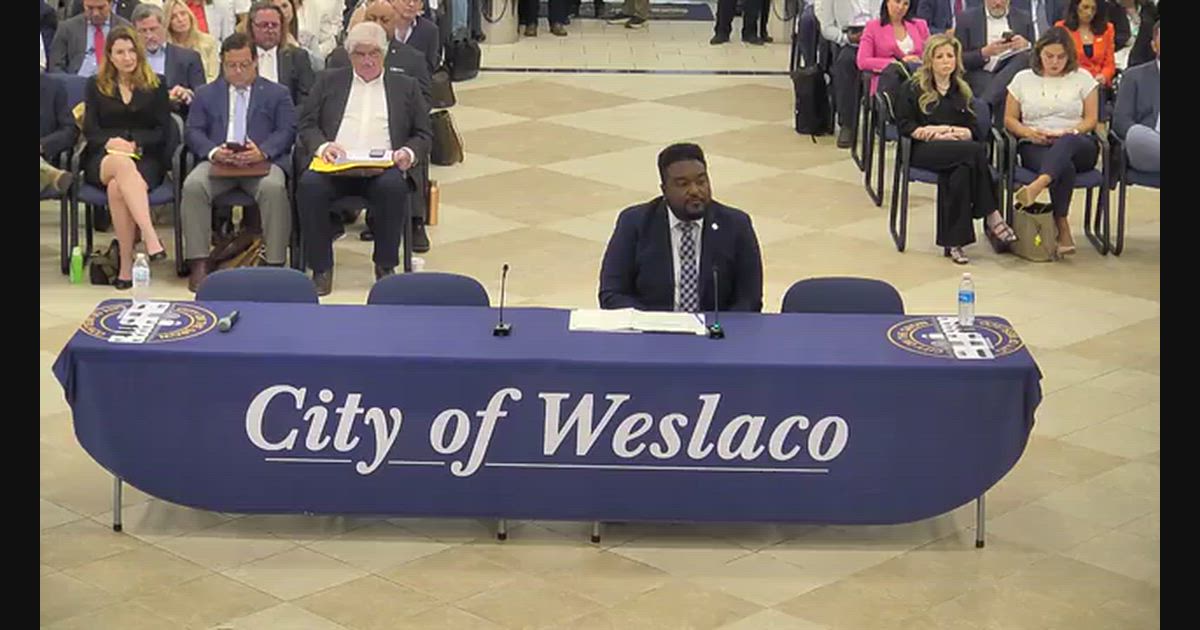 ▶ Watch this moment on USLege
“I know various irrigation districts have a different auditing schedule. They go by calendar year, so it makes it very difficult for them to fall within the timeline when they were submitting their audits for House Bill 500. I know in particular there was one of our irrigation districts that did submit their application. By the time their board met, I think it was three or four days… Is there a way that we can address that to better facilitate these grants under House Bill 500? Because there’s such a need down here in the Rio Grande Valley, and we don’t want our communities to be impacted because of the way they are set up with their auditing schedule and how our deadlines are.”
Rep. Armando Martinez (D-39, Vice Chair, Natural Resources), Aug. 24. 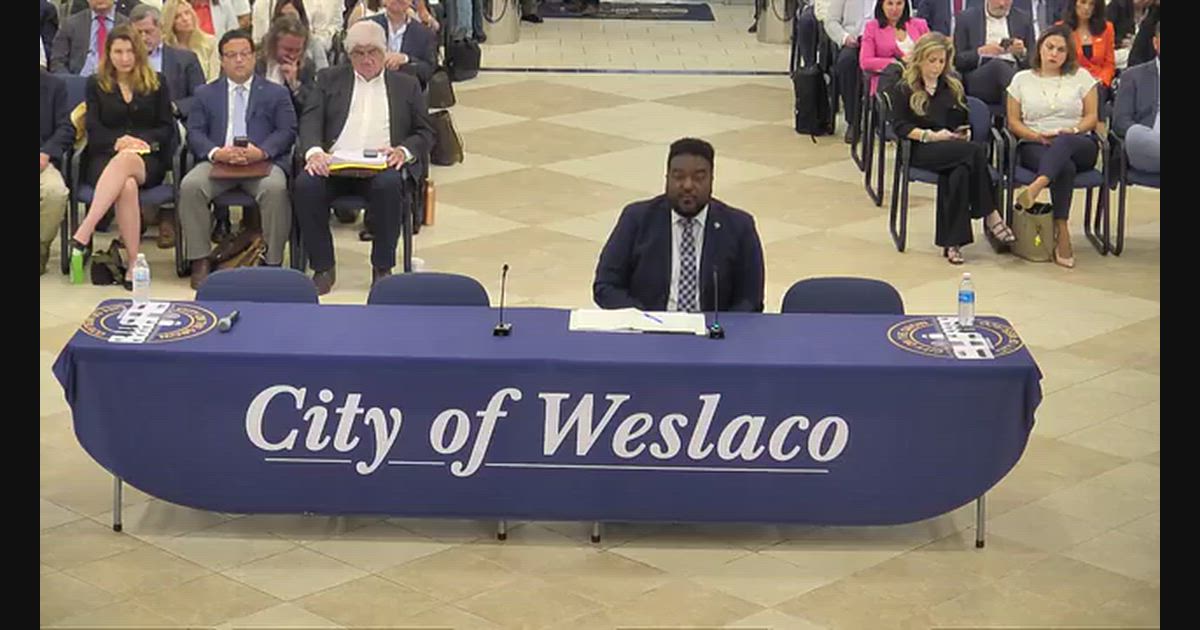 ▶ Watch this moment on USLege Why it matters: TWDB staff calling the funding gap likely understated, because per-project caps push smaller communities to ask for less than they need, sets the terms for the funding fight the 90th Legislature will have when it convenes in January 2027. The Rio Grande Valley audit-timeline mismatch is a narrower, fixable problem lawmakers could act on without waiting for a larger appropriations debate. And the PUC has no statewide inventory of how many public utility agencies exist, meaning the same session may have to fix a reporting gap before it can address the funding gap.
06 · Death Investigation Systems Texas’s 12th- and 9th-Largest Counties Still Have No Medical Examiner, and a Fort Bend Doctor Says Cost Isn’t the Real Excuse
Texas law requires a county to establish a medical examiner’s office only once it reaches 2.5 million residents, a threshold only Harris and Dallas counties meet. Williamson County (Texas’s 12th-largest) and Hidalgo County (9th-largest) both currently rely entirely on justices of the peace (JPs) for death investigations, a system Fort Bend County Chief Medical Examiner Dr. Stephen Pustilnik told the House Permanent Standing Subcommittee on County & Regional Government is “a holdover from feudal Britain.” Dr. Pustilnik testified Fort Bend County built its own fully accredited, 18,000-square-foot facility for $4.95 million, a figure he said directly rebuts the $18-44 million cost estimates cited elsewhere, and disclosed there is currently no Texas law requiring autopsy pathologists to be board-certified in forensic pathology.
The practical cost of the coverage gap showed up twice in testimony: a law enforcement officer’s widow waited roughly seven months for a death certificate because an outsourced autopsy report hadn’t come back, and a documented past case in which a cremation request was approved based solely on a JP’s identification of remains, remains that turned out, days later, to be an elderly woman’s exhumed body substituted by a fugitive staging his own death. Neither Williamson nor Hidalgo County’s commissioners courts were represented at this hearing to explain their own funding decisions; the JP witness, Judge Angela Williams, could describe only what she’d been told informally by her own county’s commissioners court, not an official county position, a structural silence in the record rather than a dodge by the committee.
“The JP system of death investigation is a holdover from feudal Britain, the coroners. And when it was brought to Texas in 1874 with their constitution… why are we still doing it? I mean, it’s 2026.”
Dr. Stephen Pustilnik, Chief Medical Examiner, Fort Bend County, Aug. 25. 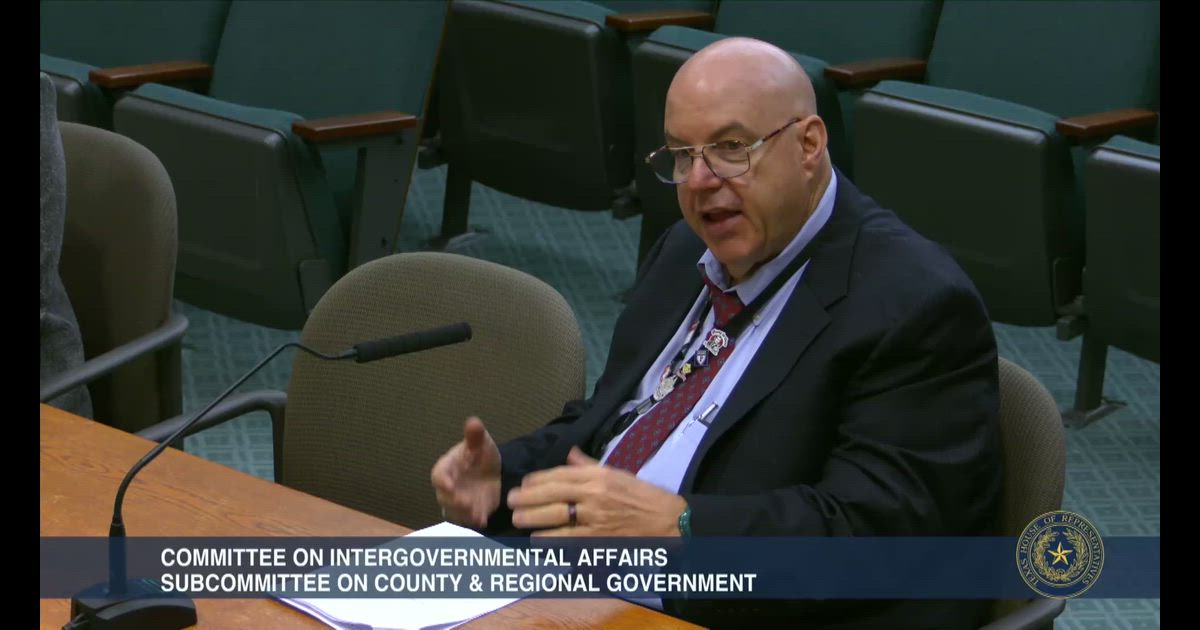 ▶ Watch this moment on USLege
“We had a law enforcement officer’s wife who waited roughly seven months, I believe it was seven months, for her husband’s death certificate because the death certificate could not be completed without the autopsy report.”
Judge Angela Williams, Justice of the Peace, Precinct 2, Williamson County, Aug. 25. 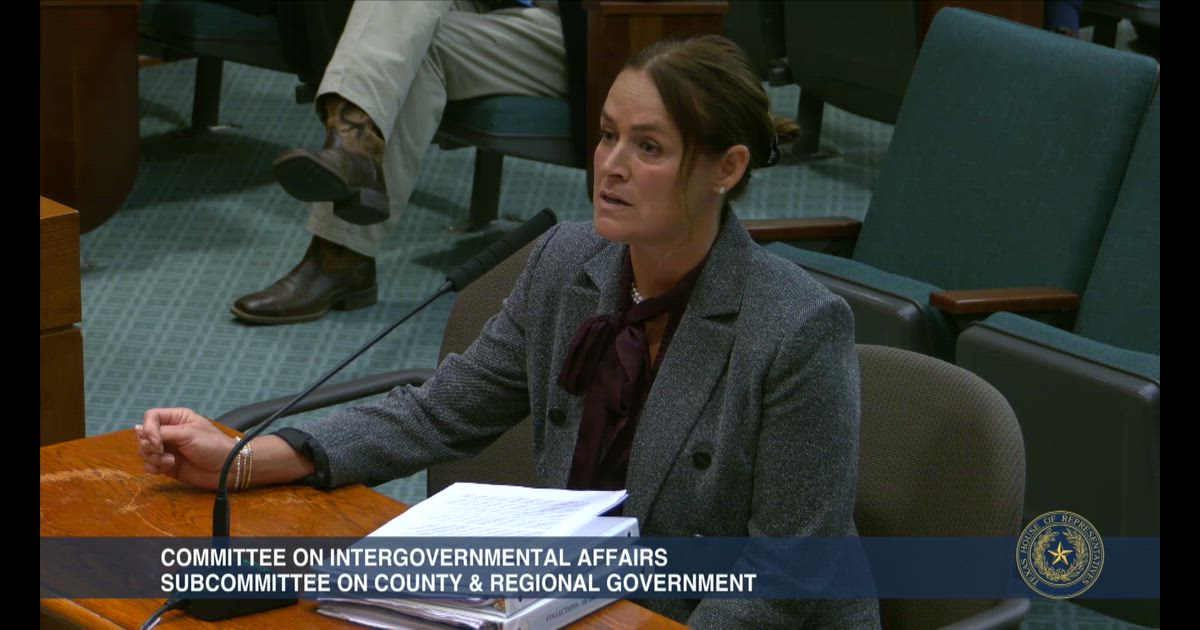 ▶ Watch this moment on USLege Why it matters: Fort Bend County’s $4.95 million facility undercuts the higher cost estimates that have discouraged other counties from establishing a medical examiner’s office, directly bearing on whether Williamson and Hidalgo counties follow suit. The absence of a board-certification requirement for JP-ordered autopsies is a specific, fixable gap tied to a documented wrongly-approved cremation. Because no Williamson or Hidalgo County commissioner testified to explain their own funding decisions, that question remains with officials who were not in the room for this hearing.
Also moving this week Budget hearings, routine agency agendas, and a data-center modeling fight held over
Joint House-Senate budget hearings ran August 25–27 on the FY2028-29 appropriations cycle ahead of the 90th Legislature (Board of Chiropractic Examiners and Board of Pharmacy; the Texas Commission on Law Enforcement, Texas Military Department, and Texas Commission on Fire Protection; the Texas Historical Commission), with no decision or disclosure this week rising to lead coverage. The PUC and Texas Commission on Environmental Quality (TCEQ) each held routine agenda meetings approving consent-agenda items. And the ERCOT Technical Advisory Committee debated whether data-center-style dynamic-modeling requirements should extend to traditional industrial loads, a fight worth watching if it resurfaces with a vote.
|
What we are watching
• The PUC’s deferred routing decisions on the Import Path One eastern leg ( Docket 59315) and the Howard-Del Solstice line.
• Whether House Governmental Oversight Select recommends statewide guardrails on out-of-territory council meetings, or on high-volume records requests.
• Whether the 90th Legislature, convening January 2027, takes up JPCA’s SB 1333 fixes, the medical-examiner population threshold, or the TWDB funding gap.
|
What we are tracking Five hearings, four cities, one record
This week’s stories came out of five separate hearings held from Austin to Weslaco, each with its own docket numbers, exhibits, and speaker roster. USLege’s platform indexed the full record of every one, so the constable survey figures, the PUC’s docket history, and the medical-examiner cost comparisons cited above are all one search away, cross-referenced against the bills and dockets that produced them.
|
 Join us live USLege’s weekly webinar: live for the people who track legislation for a living
Every week, USLege hosts a live walkthrough of the platform, new features, and an open Q&A for government-affairs professionals. Register even if you can’t attend live; we’ll send you the recording.
|
Coming up See every hearing, filing deadline, and floor session, live
USLege’s legislative calendar tracks hearings, floor sessions, and filing deadlines across every jurisdiction we cover.
|
Get your state’s weekly read
Texas, DC, Alabama, and more editions rolling out every week.
|
|