|
Friday, October 2, 2026 · Week of September 25 to October 1 · Strictly nonpartisan
A quiet meeting calendar still produced a contested ethics rewrite, a childcare rule standoff, and a felony fraud charge.
This week, Montana’s interim committees kept a childcare rule blocked as DPHHS named a new director mid-meeting; the Legislature’s Rules Subcommittee rewrote its ethics-disclosure standard and advanced five bill drafts toward the 2027 session; Congress reauthorized the Fort Peck Reservation Rural Water System through 2028 while a companion Crow Tribe water-rights bill awaited the President’s signature; and the State Auditor charged a Billings man with felony insurance fraud.
|
01 · DPHHS
Childcare Rule Objection Stands as DPHHS Director Steps Down
The Children, Families, Health and Human Services (CFHHS) interim committee let a formal objection to a Montana Department of Public Health and Human Services (DPHHS) childcare rule stand this week, keeping pressure on the agency ahead of the 2027 legislative session. An interim committee is a legislative panel that continues oversight work between the state’s biennial sessions. The committee dropped two other pending objections after DPHHS voluntarily withdrew those rule packages, covering child and adolescent day treatment facilities and trauma center designation criteria, but DPHHS held firm on the “Best Beginnings” childcare-subsidy rule. Facing that, the committee chose to do nothing formally, which under Montana’s rule-objection process leaves the objection in force and blocks the rule from taking effect until the Legislature adjourns its next session, rather than withdrawing the objection or publishing it with the Secretary of State (a step that would shift the legal burden onto DPHHS in any future court challenge).
“I have spoken with the department and constituents and a lot of other people in this realm, and I do feel like these rules are not in the best interest.”
Rep. Melissa Nikolakakos (R), Sept. 24 committee meeting.
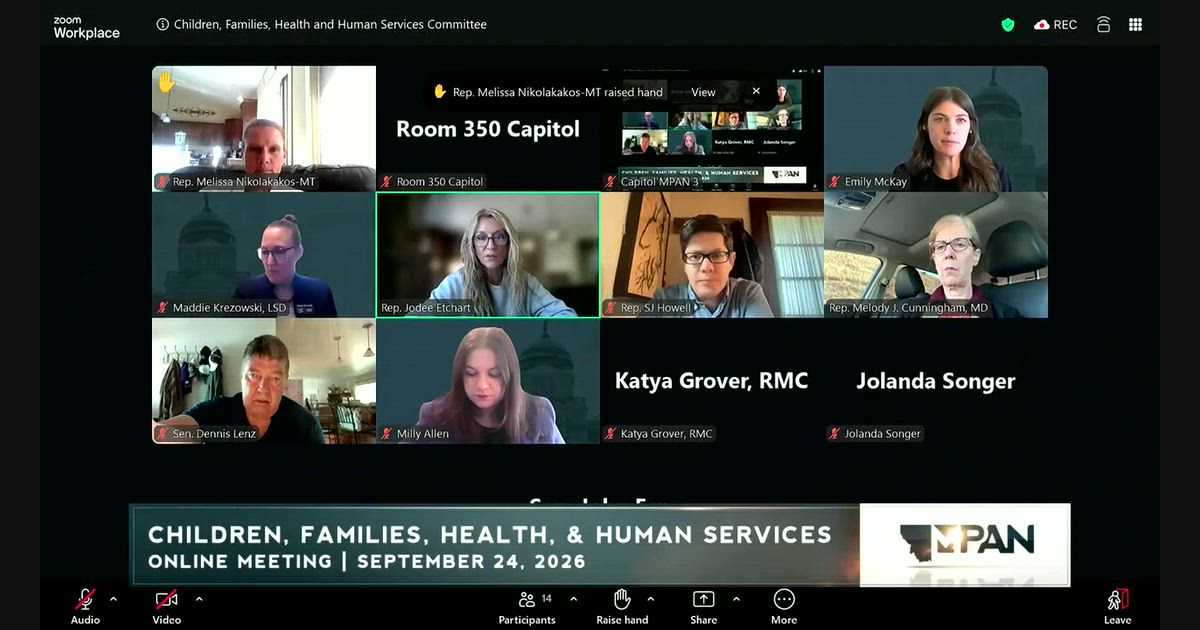
▶ Watch this moment on USLege
“I’m continually concerned that losing childcare small businesses is bad and really has a ripple effect across communities, and we want to make sure that we’re not creating rules and systems that place undue burden on small businesses and on the families and kids that rely on them.”
Rep. SJ Howell (D), Vice Chair, Sept. 24 committee meeting.
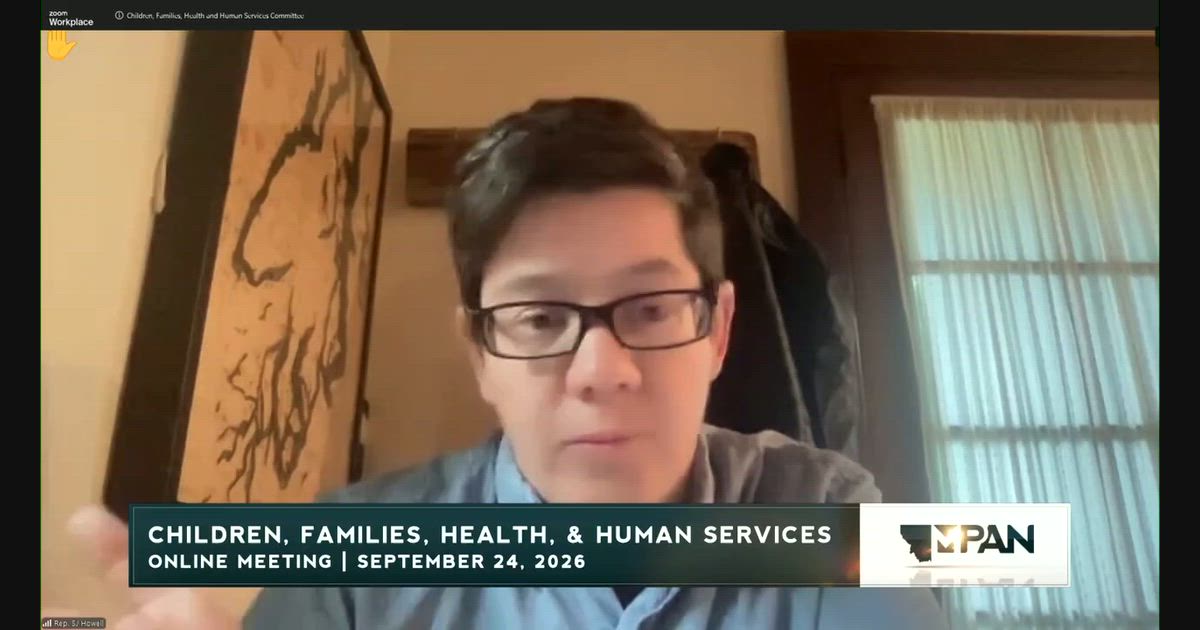
▶ Watch this moment on USLege
“I can’t say it in a more articulate way than Representatives Howell and Nikolakakos, but I thank everyone for the work. And I would agree with letting the objection stand.”
Rep. Melody Cunningham (D), Sept. 24 committee meeting.
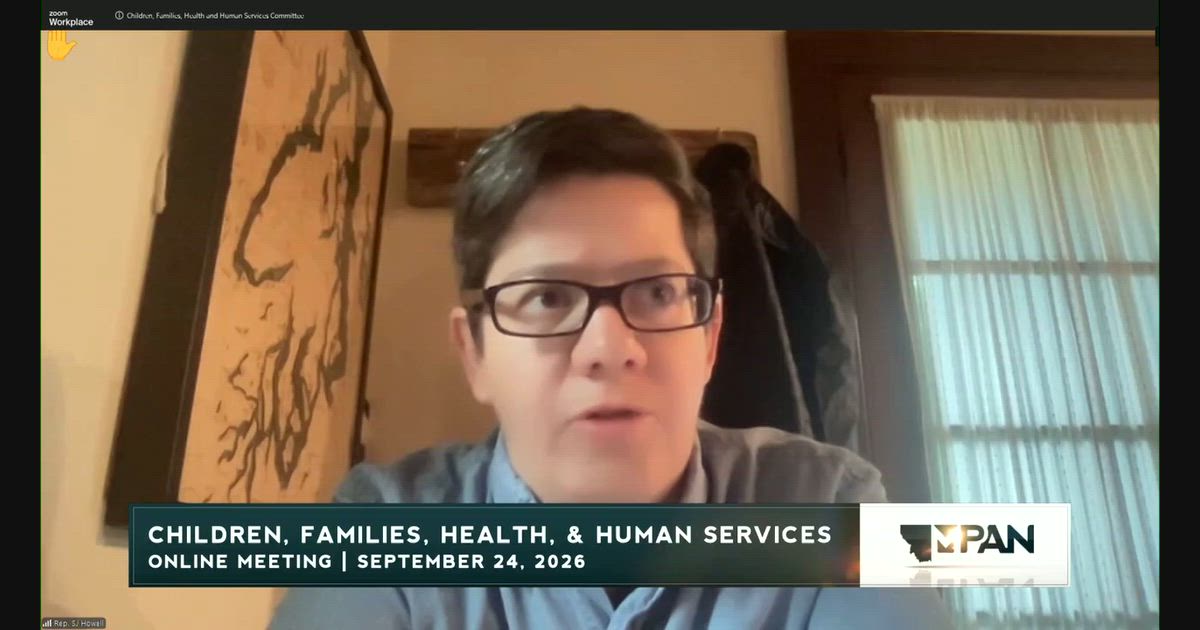
▶ Watch this moment on USLege
The meeting also carried breaking news: Sen. Dennis Lenz asked the committee to confirm a tip that DPHHS Director Charlie Brereton had resigned. Chair Jodee Etchart confirmed Brereton’s last day is Oct. 30, that he is leaving for a private-sector position, and that Dr. Douglas Harrington of the Montana State Hospital has been named the new director.
“I was genuine when I carried his nomination this last session, and I hate to see him go.”
Sen. Dennis Lenz (R), on DPHHS Director Charlie Brereton’s resignation, Sept. 24 committee meeting.
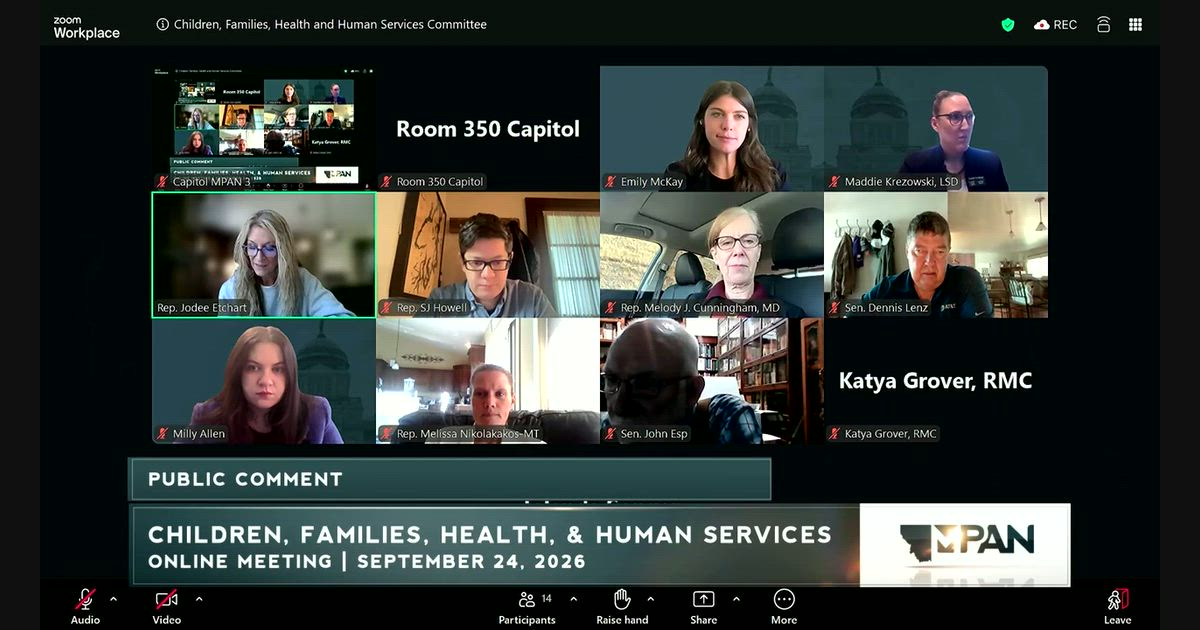
▶ Watch this moment on USLege
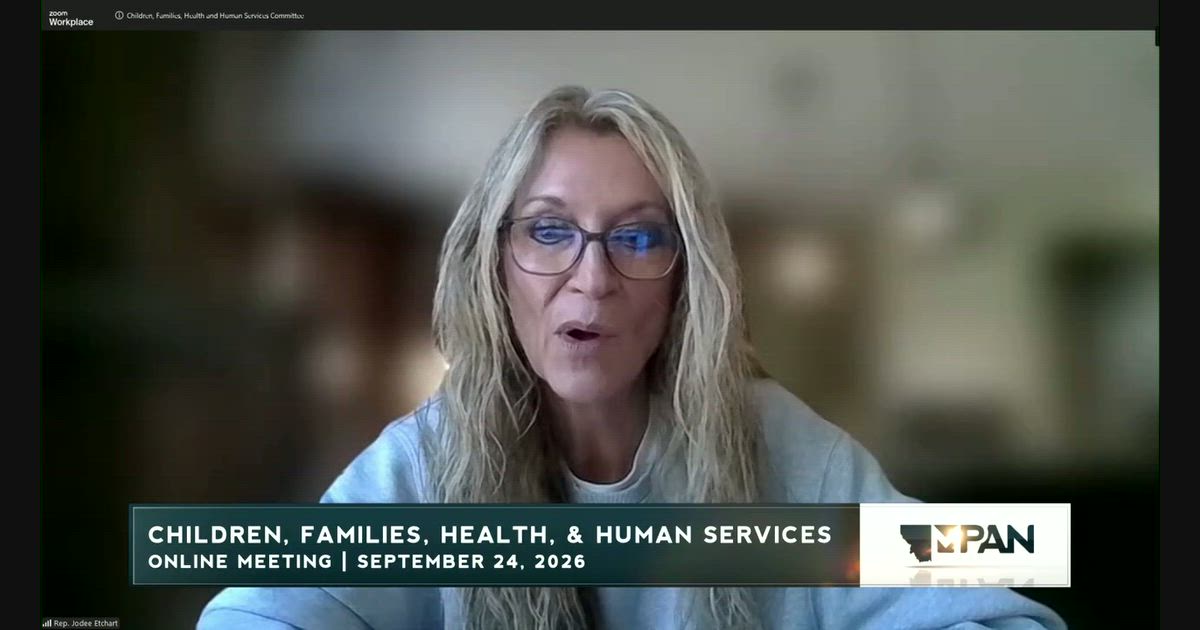
“And my answer to them is because we’re here to work for the people of the state of Montana and do the very best that we can for them, working with everyone going forward.”
Rep. Jodee Etchart (R), Chair, closing the Sept. 24 committee meeting.
▶ Watch this moment on USLege
Why it matters: The objection keeps the daycare rule from taking effect while lawmakers and DPHHS negotiate, directly affecting childcare providers and families who have been waiting on final rules. The leadership change adds uncertainty to that negotiation just as it was gaining momentum. DPHHS itself did not appear at this meeting to state its own case for the rule; that defense is not on this record.
| |
02 · Legislature
Legislature’s Rules Subcommittee Rewrites Ethics Disclosure Ahead of 2027
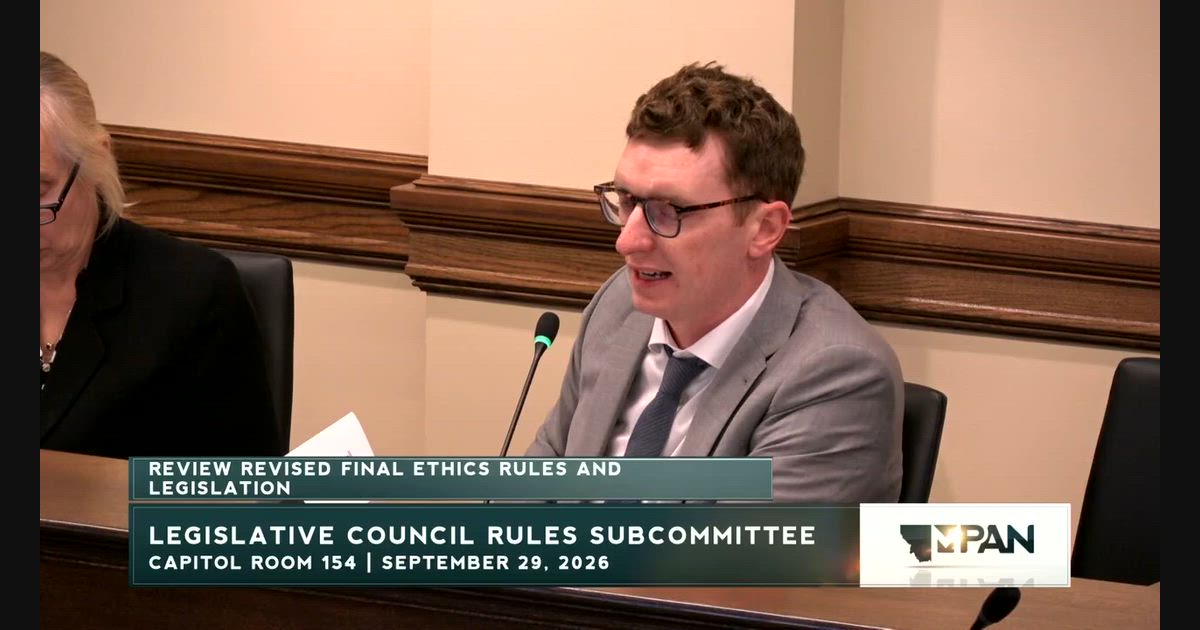
Montana’s Legislative Council Rules Subcommittee, in its final meeting of the interim, advanced five committee-bill drafts (internally tracked as “PD” numbers, for provisional draft) to the full Legislative Council, including a rewrite of the ethics code’s central, long-disputed phrase: what counts as a legislator’s “personal or private interest.” Staff attorney Joe Carroll presented two competing drafts, and the subcommittee chose the one modeled on an Alabama Supreme Court interpretation of a provision that traces back to Montana’s own 1889 constitution, importing specific disclosure-mechanics language from the rival draft by amendment.
“Because Montana has a citizen legislature, it is reasonably foreseeable that a legislator will draft, sponsor, amend, speak in favor of, and vote in favor of bills that will affect the legislator personally.”
Joe Carroll, legislative staff attorney, Sept. 29 committee meeting.
▶ Watch this moment on USLege
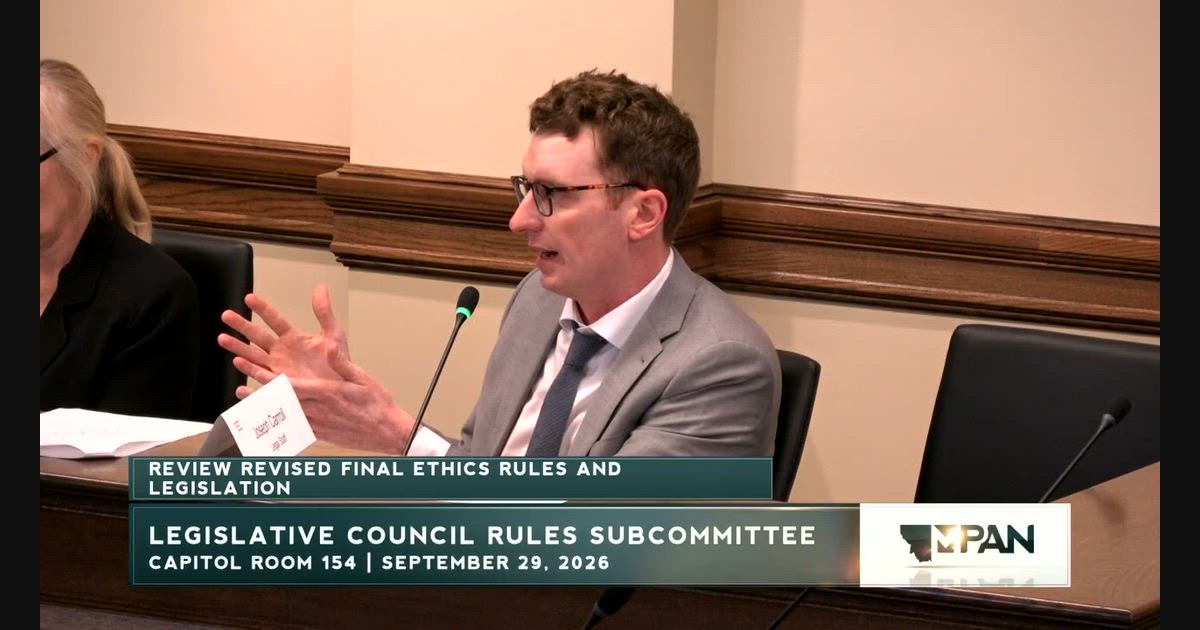
“I guess my view on all these ethics things is that they need to be clear and bright line because not everybody in this building is an attorney, and not everybody’s gonna be able to work their way through some of these words and phrases.”
Rep. Steve Fitzpatrick, Chair, Sept. 29 committee meeting.
▶ Watch this moment on USLege
Carroll’s own plain-language edit drew a lighter moment: “Pecuniary just means monetary,” he said, describing a word swap elsewhere in the code.
The subcommittee’s other drafts advanced with far less debate: formalizing the interim committees’ Sept. 15 completion deadline into rule; implementing the new audio/video-as-official-record standard in statute; codifying a firm 30-day deadline for legislators to return veto-poll ballots, after Chair Fitzpatrick said last session’s timeline “seemed to be different on different pieces of legislation”; and moving administration of special-session polling, including a poll an Ethics Committee finding could trigger, from the Secretary of State to the Legislative Services Division, amended to allow electronic as well as certified-mail ballots.
The subcommittee rejected one proposal: a rule that would have let incumbents who won 60% or more of the vote in a redistricted district request bill drafts before the general election.
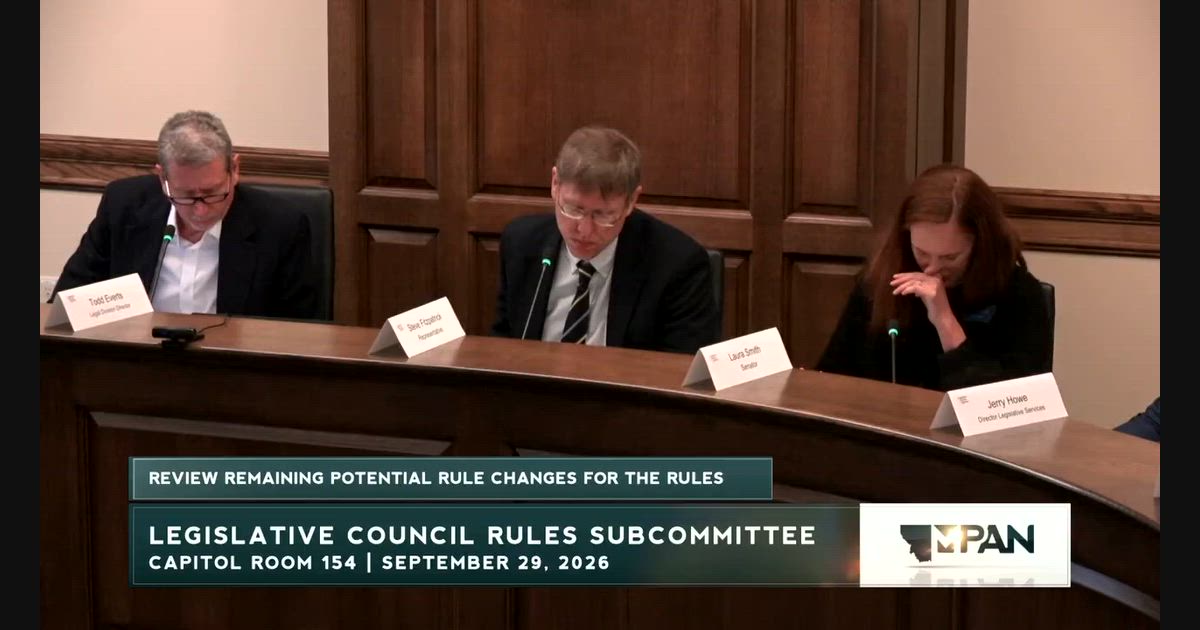
“We know they’re gonna win, and we might as well allow them to get moving on bills instead of cramming everything into the final two months before the session starts.”
Rep. Steve Fitzpatrick, Chair, explaining the proposal, Sept. 29 committee meeting.
▶ Watch this moment on USLege
“I’ll be voting no.”
Sen. Laura Smith (D), citing added drafting-staff workload if such an incumbent then lost, Sept. 29 committee meeting.
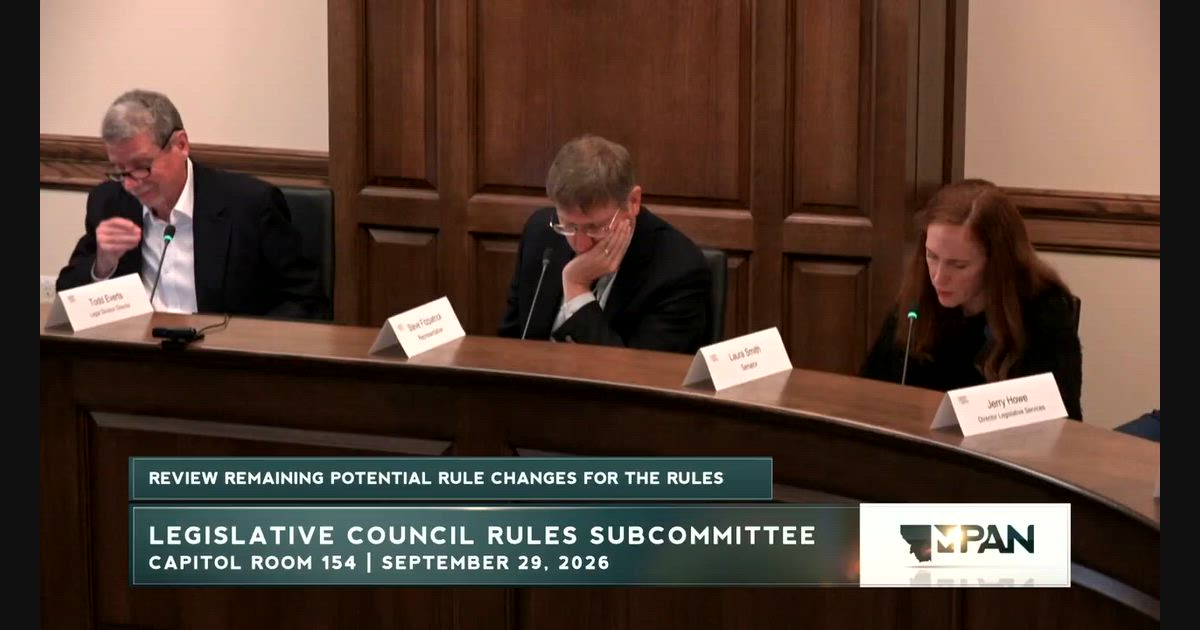
▶ Watch this moment on USLege
The measure died 2-2 (Smith and Rep. Jennifer Lynch, by proxy, opposed; Fitzpatrick and Sen. Matt Regier in favor). A separate rule limiting House floor-debate time passed 3-1, with Regier casting the lone no vote on procedural grounds.
“As a senator, I’m not gonna vote on house rules, and I think vice versa, should happen too.”
Sen. Matt Regier (R), explaining his no vote, Sept. 29 committee meeting.
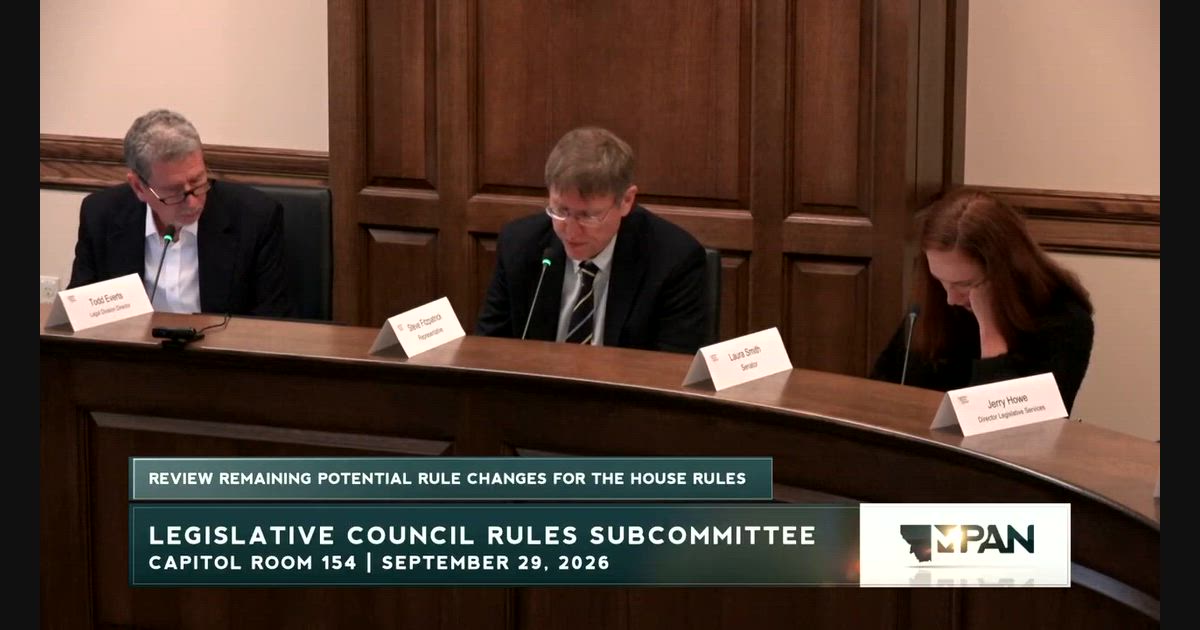
▶ Watch this moment on USLege
Why it matters: These drafts, if adopted by the full Legislative Council, become the actual ethics-disclosure and procedural rules the next Legislature operates under starting January 2027, governing how all 149 lawmakers handle conflicts of interest. The subcommittee’s one real split, on the bill-draft timing question, was a narrow staffing-and-fairness disagreement, not a partisan one.
| |
03 · Congress
Fort Peck Water System Reauthorized Through 2028
President Trump signed H.R. 7250 into law this week, extending the U.S. Bureau of Reclamation’s authority to support construction on the Fort Peck Reservation Rural Water System through December 2028. The system, split into the Assiniboine and Sioux Rural Water System and the Dry Prairie Rural Water System, serves tribal and non-tribal communities across Roosevelt, Sheridan, Daniels and Valley counties in northeastern Montana, under the original Fort Peck Reservation Rural Water System Act of 2000.
“I’m proud that the President has signed my bill, H.R. 7250, into law. This legislation will help keep critical water projects moving forward and provide greater certainty for families and communities across northeastern Montana.”
Rep. Troy Downing (R, MT-02), bill sponsor.
“This is a major win for the Treasure State. Montanans should never have to worry about whether or not their water is safe to drink.”
Sen. Steve Daines (R).
“Clean, reliable water is a basic necessity, and Montanans in our rural and tribal communities deserve nothing less.”
Sen. Tim Sheehy (R).
Why it matters: This is a reauthorization, not new funding. It keeps existing federal legal authority in place so construction already underway on rural and tribal water infrastructure can continue without a lapse, through 2028. No opposing statement to the bill appeared in this week’s Montana press coverage.
| |
04 · State Auditor
State Auditor Charges Billings Man With Felony Fraud Over ‘Stolen’ Lawnmowers
Montana State Auditor James Brown’s office charged a Billings man, Adam Walker, with felony criminal insurance fraud, alleging he filed a false claim for a truck, trailer and four lawnmowers he reported stolen in July 2023. Police recovered only the truck. State Farm paid Walker roughly $100,000 on the claim before referring it to the Auditor’s office for investigation in early 2024. Investigators say serial numbers Walker provided did not match records in a national mower database, and that his claimed purchase prices, averaging about $21,700, were roughly three times the average of about $6,600 for comparable mowers listed for sale around Billings at the time.
“Fraud of any kind or scale will not be tolerated here in Montana. Honest insurance consumers end up bearing the cost of fraudulent claims paid out by insurance companies.”
James Brown, Montana State Auditor and Commissioner of Securities and Insurance.
Criminal insurance fraud exceeding $1,500 is punishable in Montana by up to 20 years in prison and/or a $50,000 fine. Walker is presumed innocent until proven guilty in a court of law.
Why it matters: The Auditor’s office frames this as part of a broader stepped-up enforcement push; consumers ultimately absorb the cost of paid-out fraudulent claims through higher premiums. No defense statement was available at the charging stage.
|
|
Montana in Washington
Crow Tribe Water Settlement Heads to the President
The Crow Tribe Water Rights Settlement Amendments Act (S. 240) passed the U.S. Senate on Sept. 25, having already passed the House, and now heads to the President’s desk. It had not been signed as of this issue’s close. The bill updates the 2009 Crow Tribe Water Rights Settlement Act to be fund-based rather than project-based and extends the Tribe’s authorization to develop hydropower at the Yellowtail Afterbay Dam through 2030.
“This bill is a necessity for the Crow Tribe and surrounding communities and will ensure the tribe has the resources they need to deliver safe, reliable access to clean water to the reservation.”
Sen. Steve Daines (R).
|
|
|
Also moving this week
Routine state and local government action
Montana Fish, Wildlife & Parks (FWP) closed Wolf Management Unit 313 to hunting and trapping after the harvest quota was reached; scheduled an online-student hunter-education field day for Oct. 11 in Bainville; asked for public tips on a deer shot out of season near Billings; and will hold a public meeting Oct. 1 in Livingston on removing illegally introduced bass from Sacajawea Lagoon. Flathead County’s Montana State University (MSU) Extension office previewed October 4-H open enrollment on local radio.
|
|
|
What we are watching
Three threads into next week
Whether the full Legislative Council adopts the Rules Subcommittee’s ethics-code rewrite (PD 104) and its companion procedural drafts unchanged. How DPHHS’s incoming director, Dr. Douglas Harrington, engages the CFHHS committee on the still-blocked childcare rule. Whether the Crow Tribe Water Rights Settlement Amendments Act reaches the President’s desk for signature.
|
|
|
Join us live
Upcoming webinar: building your 2027 session playbook
Wed, Oct 7 · 1:00 PM ET · Government affairs teams
A live 45-minute working session on where to focus across the states, what to watch, and how to plan resources for the 2027 session.
Can’t make it live? Register anyway and we’ll send you the recording.
|
|
|
Coming up
Track what’s next on the legislative calendar
The full Legislative Council is expected to take up the Rules Subcommittee’s bill drafts, including the ethics-code rewrite, in its next meeting ahead of the 2027 session.
|
|
|
Get your state’s weekly read
USLege Political Spotlight is live in Texas, DC, New York, California, Montana and more states, with new editions rolling out weekly.
|
|
|
Montana Political Spotlight · Strictly nonpartisan
|
|
