Tuesday, September 1, 2026 · Week of August 24 to August 31 · Strictly nonpartisan
Congress stayed home for August recess, but a Michigan school board fight reached a House hearing, the White House declared a grid-security national emergency, and three bills got queued for the floor.
Welcome to the first issue of DC Political Spotlight, USLege's weekly read on Congress and the federal agencies.
Note from the founder
We built the Political Spotlight on one rule: just the facts.
We have the most complete record of government anywhere, and every week we bring you what’s actually happening across your state. Local, state, federal, regulatory. In session or out. No spin, no take, no political angle. If it happened in government, we tell you it happened.
I’ve spent a decade inside government watching people make decisions on incomplete information, or worse, someone else’s interpretation of what happened. This newsletter exists so you never have to wonder whose lens you’re reading through.
Welcome. Let’s get into it.
Want to subscribe to another state instead? Click below to sign up for your state’s edition.
A deployed Guardsman's school board fight reached a House hearing on protecting servicemembers in local office; the White House declared a national emergency over foreign equipment in the bulk-power grid; House Rules queued three contested bills, on right whales, academic freedom, and mining, for the floor as Congress returns; and a sitting committee chairman declined to fully back his own party's line on Canada tariffs, while also airing an unresolved split between a Republican governor and the President over data-center policy.
01 · Military Families
A Michigan school board's "disservice" comment about a deployed Guardsman becomes a House hearing
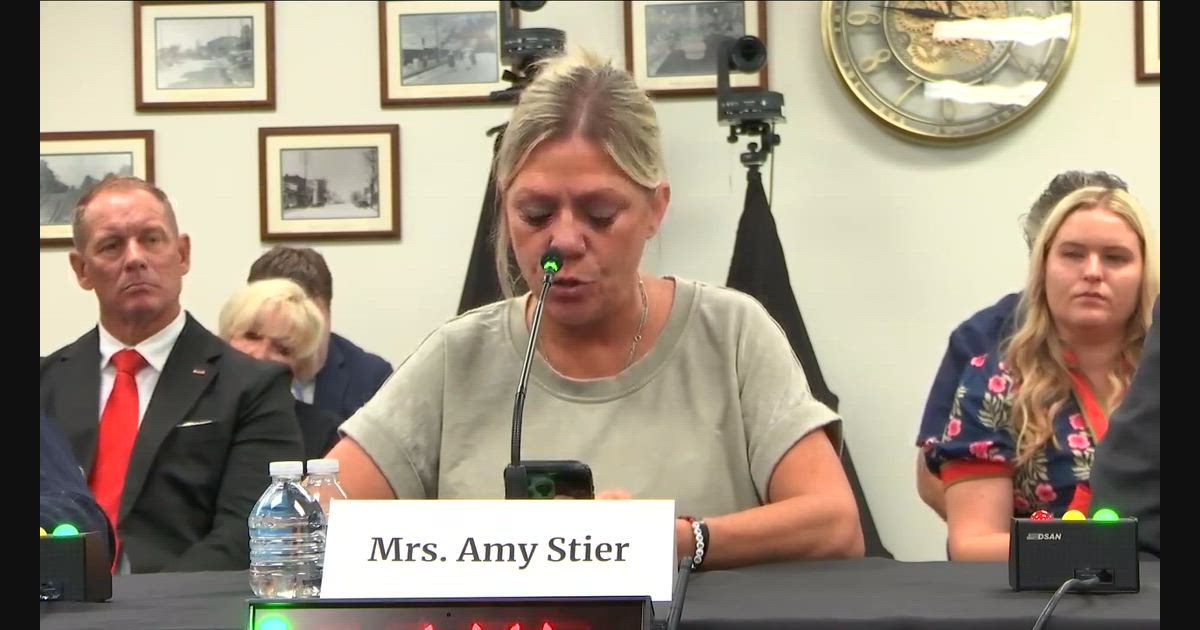
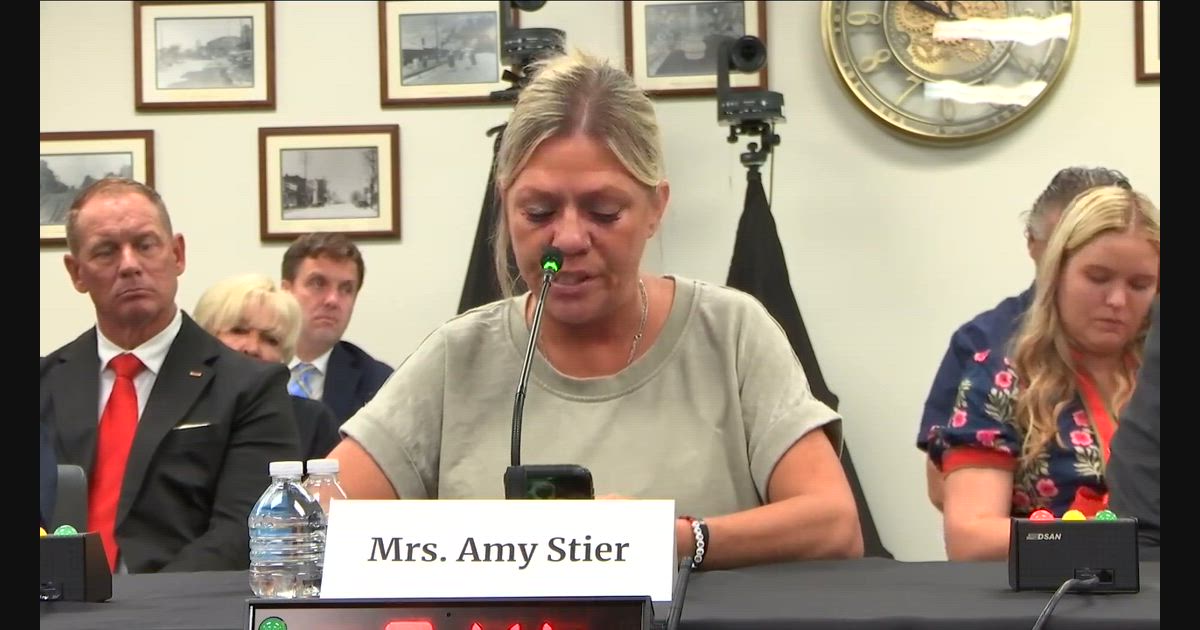
The House Education and Workforce Committee held a field hearing in Rep. Lisa McClain's (R-MI-9) Michigan district on obstacles servicemembers face in school employment and governance, anchored on the case of Master Sgt. Raymond Stier of the Michigan National Guard. Stier, elected to the Richmond Community Schools board in January 2025, deployed in October 2025 and kept attending board meetings remotely, some at 2 a.m. local time, until an evacuation his wife Amy Stier described as a "very spicy situation" forced him to stop. Two board members, Sandra Fortuna and Margaret Teltow, then said Stier's absence was a "disservice" to the district. Neither appeared at the hearing to respond; a congressional hearing about their own conduct carries no right of reply for named local officials, so their side of the dispute is not on the public record.
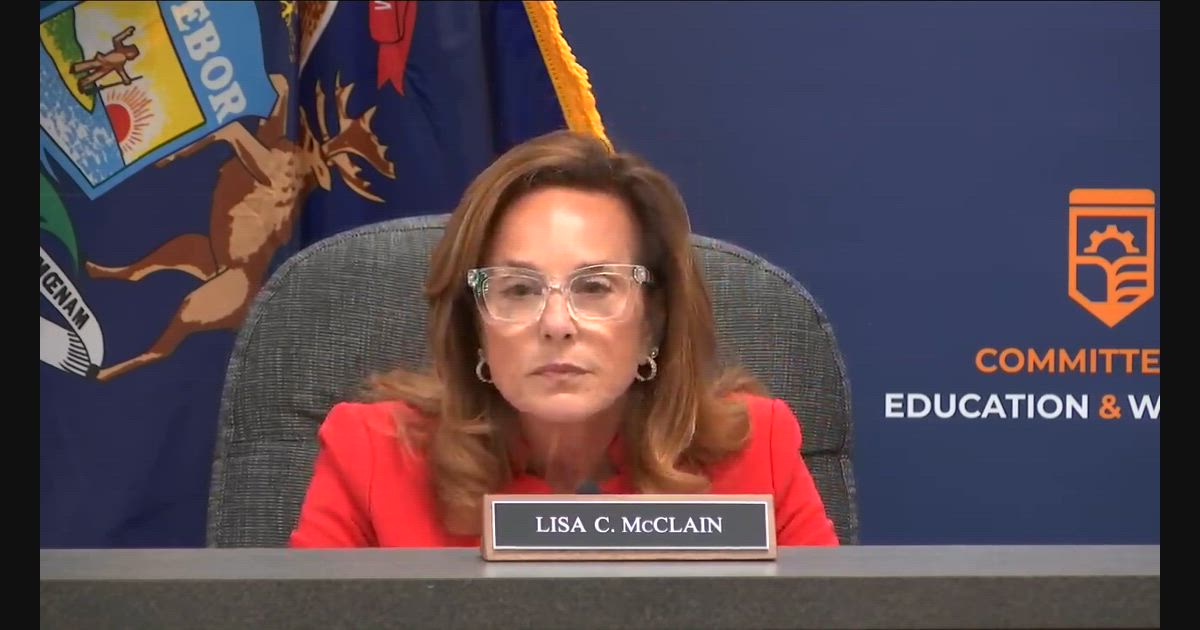
Superintendent Chris Neeley (Colonel, U.S. Army Reserve, South Carolina Public Charter School District) testified that his district employs 70 veterans and service members and serves over 700 military-connected children, and proposed a "Military Ready Employer" school-district designation. Jonathan Butcher of the Heritage Foundation recommended letting federal education dollars follow military children into education savings accounts (ESAs, parent-directed accounts for approved education expenses), and moving school board elections to general-election years to broaden turnout. Rep. McClain used her questioning time to press the board's timeline, noting the same seat had sat vacant for one to two months earlier without complaint, according to her account at the hearing. McClain's own account at the hearing was also the closest thing to the board's side on record: she said the board had cited concern over an even-numbered board during a pending superintendent search. No Democratic member attended; Chairman Tim Walberg (R-MI-5) noted the absence at the close.
“As his wife, I was fierce, and I was hurt. And honestly, I wasn't completely surprised by where some of these comments came from.”
Amy Stier, witness, wife of Master Sgt. Raymond Stier, August 25.
▶ Watch this moment on USLege
“We can disagree, we can debate, but we can do all those things without destroying families, attacking someone's character, or forgetting the sacrifices made by the men and women who've served this country.”
Amy Stier, witness, closing her testimony, August 25.
▶ Watch this moment on USLege
“So it sat empty, right? Anybody scream and holler and pound their chest because it sat empty for months? No. Really? Okay. So then your husband deploys for months, and suddenly, we have a crisis situation on our hands.”
Rep. Lisa C. McClain (R-MI-9), questioning witnesses, August 25.
▶ Watch this moment on USLege
“Military service in our schools should be a cause for celebration, not discrimination.”
Supt. Chris Neeley, South Carolina Public Charter School District, closing his testimony, August 25.
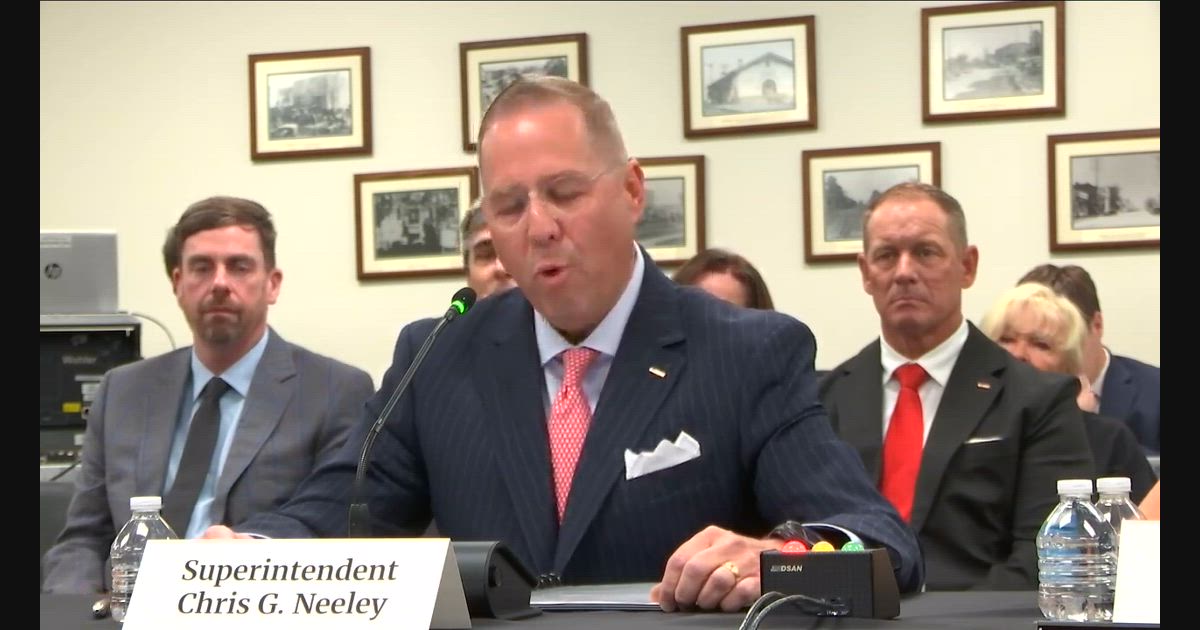
▶ Watch this moment on USLege
“Congress should give military families more education options by allowing federal education funds to follow children to the learning environments that their parents choose.”
Jonathan Butcher, Heritage Foundation, testimony, August 25.
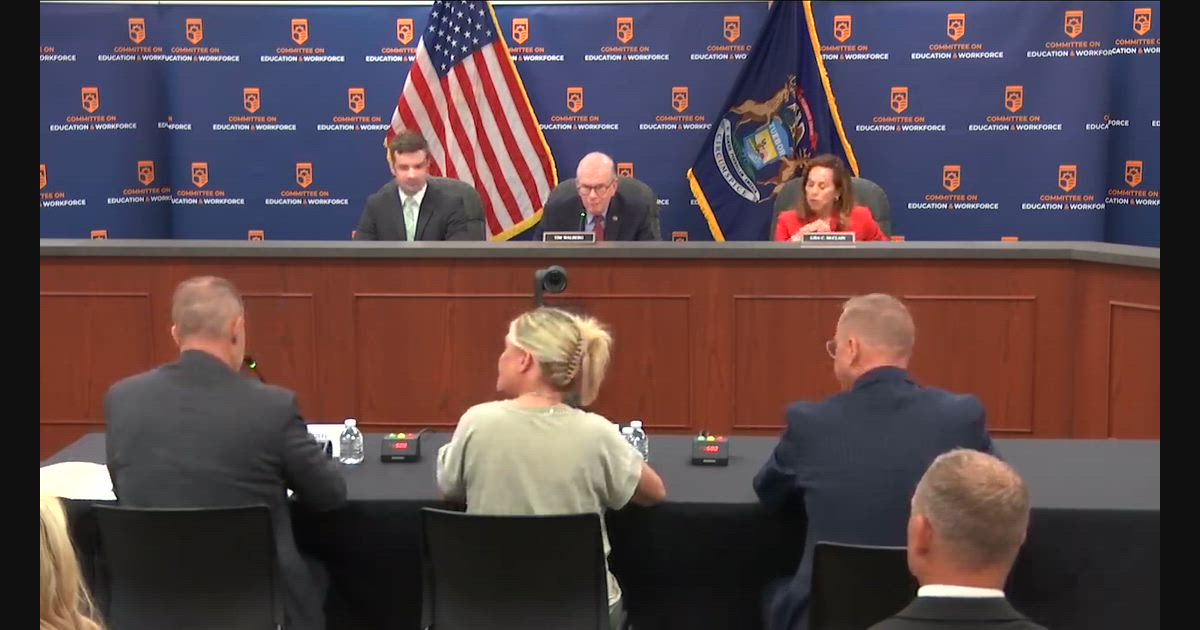
▶ Watch this moment on USLege
Why it matters: The hearing tests whether federal and state employment protections for deployed servicemembers reach elected local office, not just civilian jobs. It arrives packaged with two live legislative asks, ESA-style education dollars and on-cycle school board elections, that readers can track into future committee or state-legislative action. Fortuna's and Teltow's own reasoning is not on the public record; the closest thing to their side is McClain's secondhand account, delivered through pointed, skeptical questioning of the board's own timeline.
02 · Congress Returns
House Rules queues right-whale, "academic freedom," and mining bills for the floor
Both chambers ran pro forma-only sessions (brief floor sessions with no votes or debate, held to satisfy constitutional adjournment rules) through nearly all of this window; no floor votes occurred. The House Rules Committee's meeting scheduled for August 31 is the clearest signal that substantive floor business resumes as Congress returns, teeing up three bills that each cleared committee on contested votes, not consensus. No recording of the Rules meeting itself exists yet in USLege's archive as of this issue; this account is drawn from committee bill-action records, not from spoken remarks at the meeting.
|
Three bills teed up
H.R. 9436, Northeast Lobsterman Protection Act of 2026 (Rep. Michael Lawler, R-NY; Rep. Jared Golden, D-ME) extends the effective period of certain North Atlantic right whale regulations. Reported by Natural Resources 22-13.
H.R. 4795, Protect Economic and Academic Freedom Act of 2026 (Rep. Virginia Foxx, R-NC; Rep. Josh Gottheimer, D-NJ) would require colleges and universities that receive federal student aid to certify annually that they are not participating in a boycott of Israel or another major US strategic partner, on pain of losing that aid. Reported by Education and Workforce 24-9, a largely party-line committee vote with one Democratic cosponsor.
H.R. 1501, Protecting Domestic Mining Act of 2025 (Rep. Jefferson Shreve, R-IN; Rep. Blake Moore, R-UT; Rep. H. Morgan Griffith, R-VA) would expedite federal permitting and environmental review for domestic mining infrastructure projects, including critical minerals, and blocks a 2023 proposed rule that would have narrowed which mining projects qualify for that expedited review. Reported by Natural Resources 21-16, after a subcommittee hearing in February 2026 and markup in April.
A resolution, H.Res. 1490, condemning socialism, was also on the Rules agenda per the calendar listing.
|
Why it matters: A House Rules Committee meeting sets the terms, amendments allowed, debate time, for floor votes expected as the House returns from recess; this is the mechanism by which recess-era committee work becomes floor action the week of this issue. The committee vote splits on all three bills show real disagreement within each committee of jurisdiction, not routine consensus items.
03 · Grid Security
Trump declares a national emergency over foreign equipment in the power grid
President Trump issued Executive Order 14421 on August 26, invoking the International Emergency Economic Powers Act (IEEPA) and the National Emergencies Act to declare a national emergency over "foreign-produced bulk-power system electric equipment," including transformers, grid-scale inverters, battery storage, protective relaying, and industrial control systems, supplied by a "Covered Foreign Entity" (a country or person under a US arms embargo or sanctions regime, or one the Secretary of Energy determines is acting against US national security). The order prohibits new acquisitions of such equipment where the Department of Energy (DOE), coordinating with the Office of Management and Budget and consulting the War, Commerce, Homeland Security, and Director of National Intelligence departments, determines it poses sabotage, cyberattack, or supply-chain risk. It also lets DOE impose retrofit, isolation, or replacement conditions on equipment already installed.
The order directs DOE to publish implementing rules and a pre-qualified equipment and vendor list within 120 days, and directs the Federal Acquisition Regulatory (FAR) Council to prioritize US-manufactured energy infrastructure in federal procurement within 180 days plus a further 90 days. It requires periodic reports to Congress under existing emergency-powers statutes. The order's own text traces the concept back to Trump's first term, and ties the growth of the threat since then to "the rapid growth of advanced manufacturing, data centers, artificial intelligence, and defense production."
Why it matters: A national emergency declaration triggers real legal authority under IEEPA, not just messaging, over the entire US electric grid supply chain. DOE's 120-day deadline for implementing rules (roughly late December 2026) and the FAR Council's 180-plus-90-day procurement deadline are trackable dates for what comes next. No opposing statement from Congress, industry, or a foreign government had been captured in USLege's federal record as of this issue; the order is five days old, and its absence from the record reflects timing, not confirmed silence.
04 · Trade & Affordability
Small Business Chairman Williams won't fully endorse his party's Canada tariffs
House Small Business Committee Chairman Roger Williams (R-TX-25) gave an on-record interview on August 30 covering new US tariffs on Canadian goods, from perfume and lipstick to paint, toilet paper, and Christmas decorations, and their pass-through cost to small businesses ahead of the 2026 midterms. Williams said he was caught off guard by the tariffs and stopped short of endorsing or opposing them outright, while defending the broader tax package he calls the "big beautiful bill" (permanent tax cuts, 100% expensing, and an estate-tax family-farm exemption raised from $15 million to $30 million) as the stronger message Republicans should be campaigning on.
On data centers, Williams staked out a position between Texas Gov. Greg Abbott's self-generation and water-conservation audit requirement for new projects and, by Williams' own characterization, President Trump's public comment that "Texas is making a mistake" by constraining data-center growth, framing it as a state issue with national-security stakes. He cited unverified figures, including an Abilene, Texas data center covering "over 50%" of some local expenses and an unnamed Louisiana school district using data-center tax revenue to raise average teacher pay from $40,000 to $50,000; these are Williams' own on-record claims, not independently verified by USLege. He also linked AI-driven job displacement to his push for career and technical education (CTE) and trade-school legislation, and described an active wildfire in his own district, Palo Pinto and Jack counties, Texas, that had burned an estimated 80,000 to 100,000 acres as of the interview.
“It came out of the left field for me on Canada, but there's still a lot of time to talk.”
Rep. Roger Williams (R-TX-25), Chairman, House Small Business Committee, August 30.
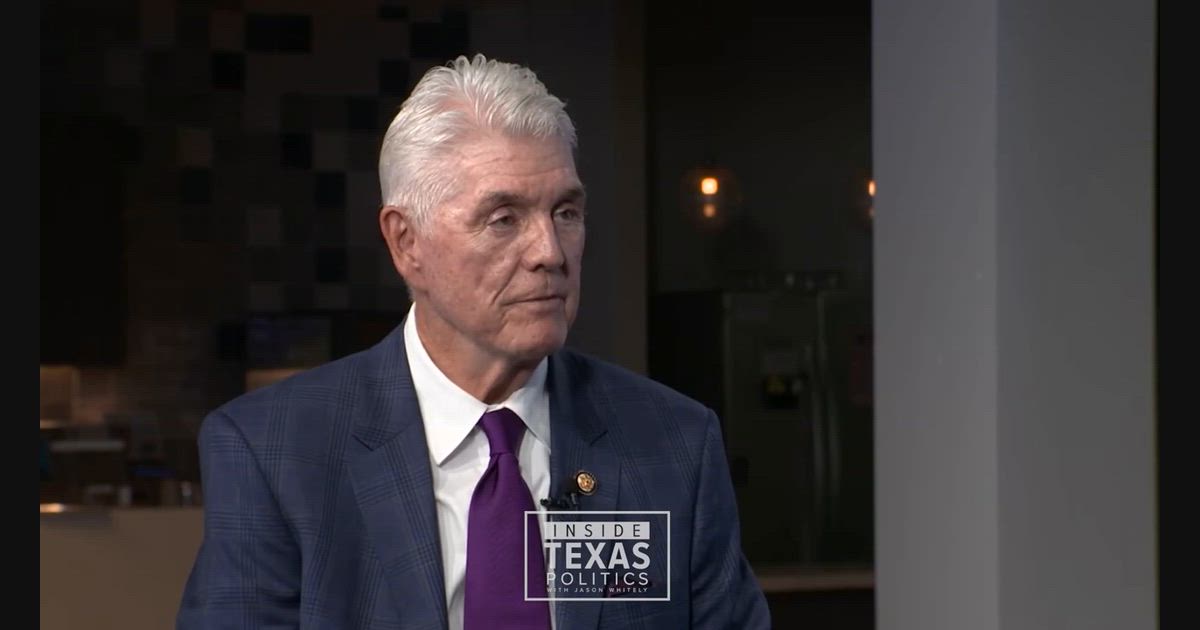
▶ Watch this moment on USLege
“I mean, we have to stay up with China and… we can't lose the the war on data centers and to to China, and and we're ahead of them right now.”
Rep. Roger Williams, on data centers as a national-security question, August 30.
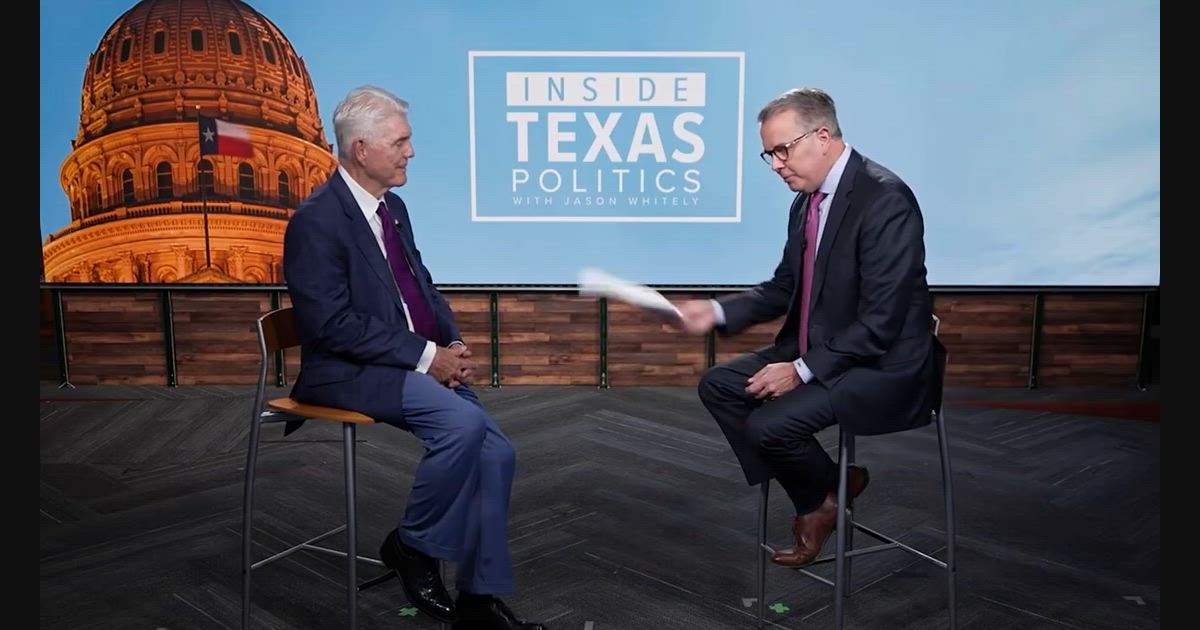
▶ Watch this moment on USLege
“If we haven't sold it, we absorb it… but as far as timing goes on this, I mean, we're we're almost to Labor Day… the timing seems tough, especially when when voters are saying, listen, affordability is top of mind right and left.”
Rep. Roger Williams, on absorbing tariff costs at his Weatherford, TX car dealership, August 30.
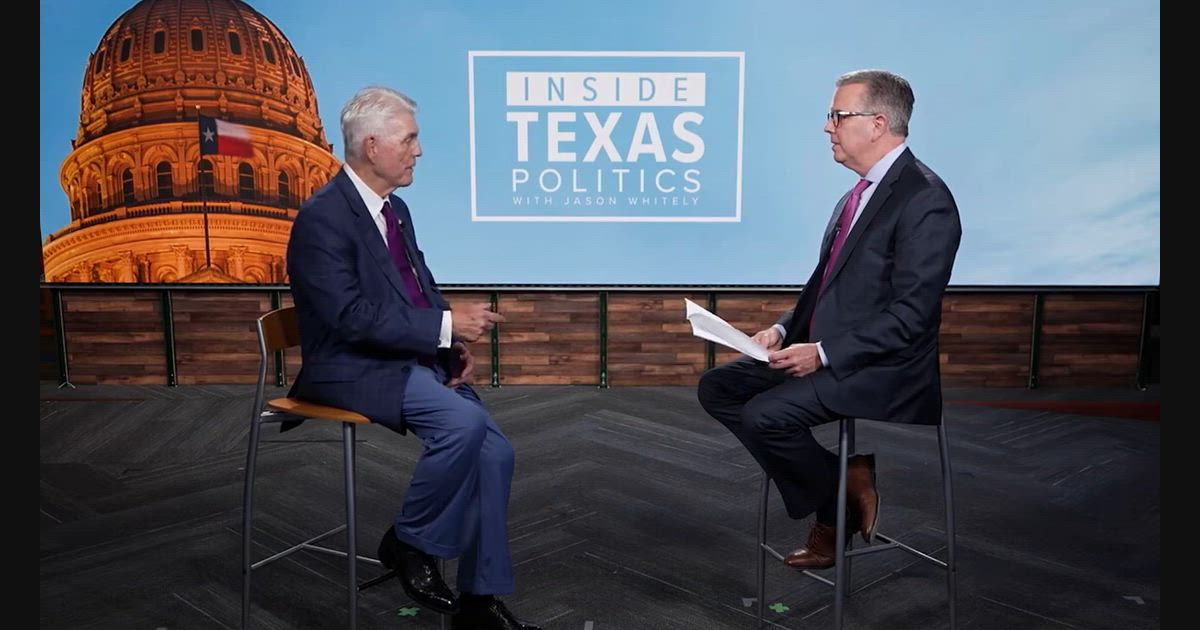
▶ Watch this moment on USLege
Why it matters: A sitting committee chairman declining to fully endorse his own party's tariff policy, and citing a contrary presidential comment on data centers without resolving it, is a genuine intra-party daylight moment ahead of the midterms. It ties directly into this week's EO 14421 grid-security story: both surface the same tension between AI-driven data-center growth and the energy and trade policy meant to support it.
|
Also moving this week
A quiet calendar, with two items worth flagging
The House Permanent Select Committee on Intelligence held a closed business meeting on August 31 reviewing the 9/11 Commission Report; Intelligence business meetings of this type are closed and non-televised by standing practice, so no further detail is available. H.Res. 1490, a resolution condemning socialism, was also on the House Rules Committee's August 31 agenda alongside the three bills covered above. Both chambers held only pro forma sessions on August 24 and 27, with no recorded floor votes over the full window.
|
What we are watching
• DOE's 120-day deadline to publish implementing rules and a pre-qualified vendor list under EO 14421, due roughly late December 2026.
• The FAR Council's 180-plus-90-day deadline to prioritize US-manufactured energy infrastructure in federal procurement, also under EO 14421.
• Whether H.R. 9436, H.R. 4795, and H.R. 1501 clear the floor in the days after the August 31 Rules Committee meeting, that meeting's own outcome was not yet in USLege's archive at send time.
• Any negotiated resolution to the Canada tariff dispute, which Chairman Williams said he expects "there's still a lot of time to talk" about.
|
What we are tracking
Two federal threads, one underlying question about AI infrastructure
Both of this week's grid and trade stories turn on how fast AI infrastructure is scaling. EO 14421 names data centers and artificial intelligence explicitly as reasons US grid risk has grown since Trump's first term, and Chairman Williams is already citing AI-driven job displacement to justify federal trade-school funding. USLege is tracking both as they move from rhetoric to rule text: DOE's equipment rules, due within 120 days, and any committee action on the CTE-linked legislation Williams referenced.
|

Join us live
USLege's weekly webinar: live for the people who track legislation for a living
A live platform walkthrough, a look at new features, and open Q&A, every week at 1 p.m. ET.
|
|
Coming up
See every hearing, filing deadline, and floor session, live
USLege's legislative calendar tracks hearings, floor sessions, and filing deadlines across every jurisdiction USLege covers.
|
Get your state's weekly read
USLege currently publishes Texas, DC, Alabama, and more editions rolling out every week.
DC Political Spotlight · Strictly nonpartisan
|
