Monday, October 5, 2026 · Week of September 28 to October 4 · Strictly nonpartisan Alabama’s new carbon-storage study panel begins its work, nearly $55 million more lands for rural health care, and two city councils take up money, policing and growth. Gov. Kay Ivey closed out year one of the state’s rural-health grant program with nearly $55 million more for 34 providers; a newly created legislative commission opened a study of carbon-dioxide storage fees, weighing economic opportunity against property-rights and safety concerns; Birmingham’s council advanced a 12-neighborhood “urban villages” planning initiative and a patrol-sharing deal with Mountain Brook; and in Mobile, a council member’s request for faster word from police leadership on major incidents drew public pushback from a resident defending the police director, with colleagues split over how to describe the dispute. 01 · Public Health & Rural Economic Development Gov. Ivey awards nearly $55 million more in rural-health grants, closing out year one of a federal program Gov. Kay Ivey announced Oct. 1 the second round of grants under the Alabama Rural Health Transformation Program (ARHTP): 34 grants totaling nearly $55 million to healthcare providers and institutions statewide. The program is administered by the Alabama Department of Economic and Community Affairs (ADECA) and funded entirely by the federal Centers for Medicare & Medicaid Services (CMS), part of the U.S. Department of Health and Human Services, under a financial assistance award of about $203.4 million. Combined with a first round of 138 grants worth more than $144 million announced in late August, the program has now distributed nearly $200 million across 172 total grants in its first year. The second round funded five initiatives: cancer-screening “digital regionalization” (mobile and regional screening networks), statewide emergency medical services (EMS) trauma and stroke coordination, EMS “treat-in-place” programs that let trained paramedics assess and treat patients on scene instead of transporting them, maternal and fetal health access points, and clinical simulation training, plus additional awards within the program’s ongoing rural health and workforce initiatives. The single largest award, $20.6 million, went to the Alabama Community College System to build a statewide rural healthcare workforce pipeline, including new remote emergency medical technician (EMT) tracks and expanded nursing, respiratory therapy and surgical technology training; the Alabama School of Healthcare Sciences, a residential high school in Demopolis, received $7.27 million. The announcement credited a planning team drawn from the Governor’s Office, ADECA, the Alabama Department of Finance, the Alabama Medicaid Agency and the Alabama State Health Planning and Development Agency. CMS Administrator Dr. Mehmet Oz said the awards show the program helping rural communities strengthen their health systems; the announcement did not say when or how project outcomes will be publicly reported. “Every Alabamian deserves access to quality care, and through the Rural Health Transformation Program, we are helping many providers and institutions improve healthcare for Alabamians throughout the state.” Gov. Kay Ivey, in an Oct. 1 statement. “The Trump Administration’s Rural Health Transformation Program is helping states like Alabama develop innovative, locally driven solutions to improve rural Americans’ access to high-quality care.” Dr. Mehmet Oz, CMS Administrator, in an Oct. 1 statement. “The goal of improving rural healthcare in Alabama is of utmost importance, and we are grateful to Governor Ivey and the Legislature for their confidence in ADECA to administer this program.” Kenneth Boswell, ADECA Director, in an Oct. 1 statement. Why it matters: The $55 million brings the program’s first year of funding to roughly $200 million across 172 grants, reaching rural providers and training programs across most of the state; CMS says in the program’s materials that the content reflects the authors’ views and not necessarily an official federal endorsement. 02 · Energy & Environment New legislative panel opens a study of carbon-storage fees, weighing economic opportunity against safety and property-rights concerns The Legislature’s new Study Commission on Carbon Dioxide Storage Facility Fees held its first meeting Oct. 1 at the State House, chaired by Rep. Andy Whitt, R-Harvest, who also chairs the House economic development and tourism committee. Whitt said the commission follows carbon-storage legislation that “had some issues” in a prior session, and that he wants the panel’s work to produce new legislation for lawmakers to consider in 2027. Members include representatives of the oil and gas, manufacturing and energy industries, a retired U.S. Department of Agriculture (USDA) soil scientist, and state officials from the Alabama Department of Environmental Management (ADEM) and the Department of Conservation and Natural Resources. Whitt divided the commission into three subcommittees: what other states, including Mississippi, Arkansas and Louisiana, are doing on carbon storage; the potential tax and job benefits to Alabama; and safety, environmental and property-rights concerns, including how far injected carbon dioxide could migrate underground and the integrity of storage wells. He asked each subcommittee to report back around Dec. 15, after which the full commission plans to review the findings before drafting legislation. State Geologist Nick Tew, who also directs the Geological Survey of Alabama and serves on the State Oil and Gas Board, told the commission the board has already adopted rules governing geologic storage of carbon dioxide, including the state’s current fee schedule, modeled primarily on regulations from North Dakota, the first state to receive U.S. Environmental Protection Agency (EPA) “primacy” (approval to run its own permitting program) for the practice. No vote or formal recommendation was taken at this first meeting. “There’s an economic opportunity here worth examining. Storage could bring investment, jobs, infrastructure, absolutely, I think, new industry development to our state.” Rep. Andy Whitt, R-Harvest, commission chair, Oct. 1. 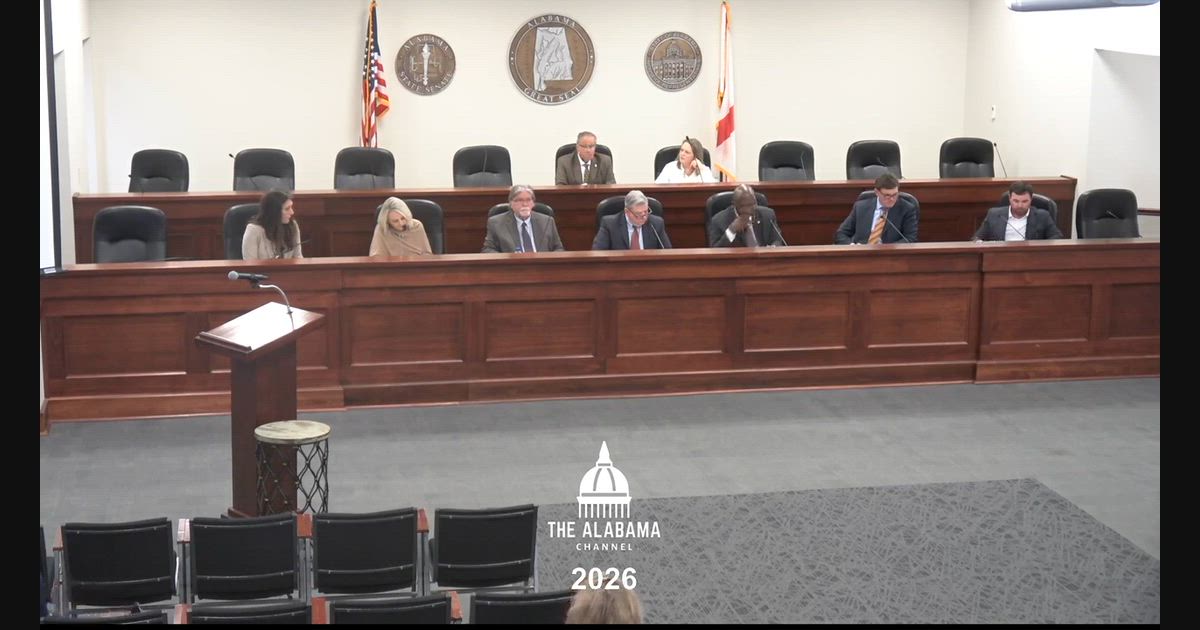 ▶ Watch this moment on USLege “I wanted to make the commissioners aware that the State Oil and Gas Board has adopted rules overseeing geologic storage of carbon dioxide.” Nick Tew, State Geologist of Alabama, Oct. 1. 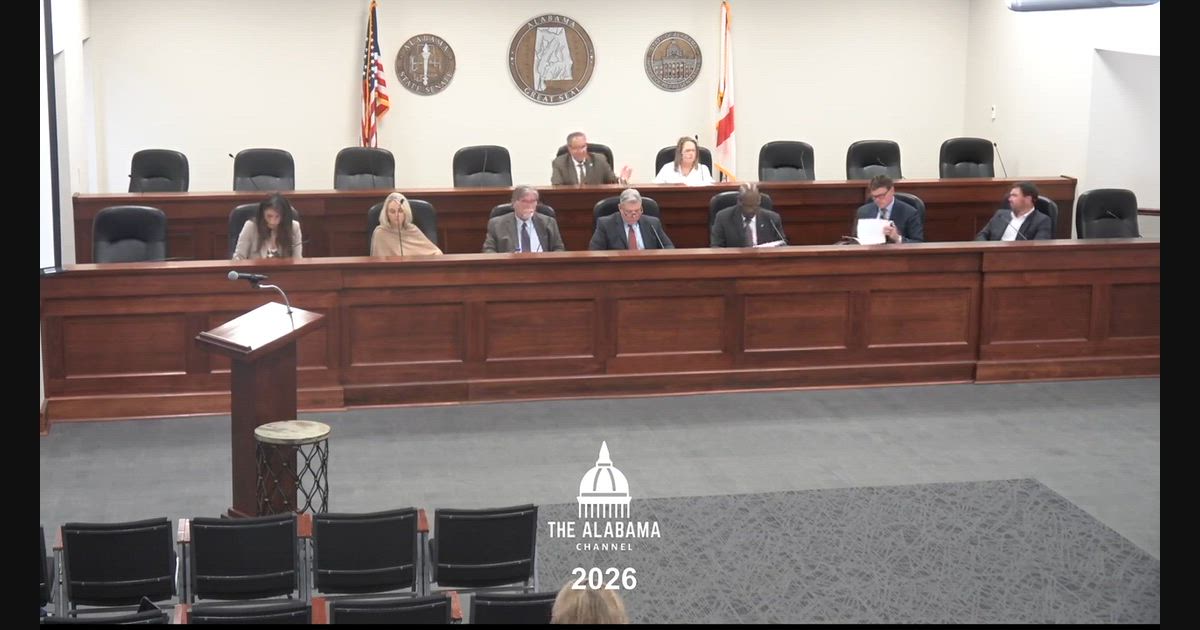 ▶ Watch this moment on USLege Why it matters: The commission’s subcommittee reports, expected around Dec. 15, could shape carbon-storage legislation Alabama lawmakers take up in the 2027 regular session, including how storage wells are taxed, sited and regulated; the Oil and Gas Board’s existing rules and fee schedule remain in effect while the study proceeds. 03 · Local Government: Birmingham Birmingham advances a 12-neighborhood ‘urban villages’ planning push and a patrol-sharing deal with Mountain Brook At its Sept. 29 meeting, the Birmingham City Council unanimously approved a three-year interlocal agreement letting the city of Mountain Brook jointly patrol and enforce laws at the Alabama Veterans Memorial Park, a 22-acre park within Birmingham’s city limits that is privately owned and was deeded to Mountain Brook to operate. Mayor Randall Woodfin told the council the arrangement followed a request from Mountain Brook to take on patrol duties at the site. The council also heard a detailed briefing on the city’s Urban Villages initiative, which directs some of a recently passed budget surplus toward strategic planning in 12 historic commercial corridors, including Woodlawn, North Birmingham, Ensley, Titusville and both 5 Points West and 5 Points South, that Woodfin said once anchored neighborhood economic activity before population loss left many “dormant.” The council approved contracts with three planning firms (Tunnel Spangler Walsh, Interface Studio and the KPS Group) to run community-engagement planning processes in eight of the 12 areas, plus a separate contract with Wilburn Associates, a local firm, to coordinate public engagement across the initiative; the remaining four areas already have recent or underway planning. A city official identified in the meeting as Chief Fowler said the city faces an estimated multibillion-dollar backlog in unmet infrastructure needs citywide and that the initiative is meant to concentrate limited resources in historically significant commercial nodes rather than attempt to address every need everywhere at once. Councilor Smitherman, who had the item pulled from the consent agenda, asked for a completion timeline; Fowler said the community-engagement plans themselves should take about a year each, while broader investment in the 12 areas would continue over four to five years or longer. Woodfin said he personally would rather move faster with the surplus funds the council approved in March, but said his staff had counseled him to slow down and get community engagement right first. Several council members, including Smitherman and Councilor Gunn, welcomed the initiative’s citywide spread across multiple council districts. “The private owner deeded this property to another city, although it was within our city limits.” Mayor Randall Woodfin, on the Mountain Brook patrol agreement, Sept. 29. 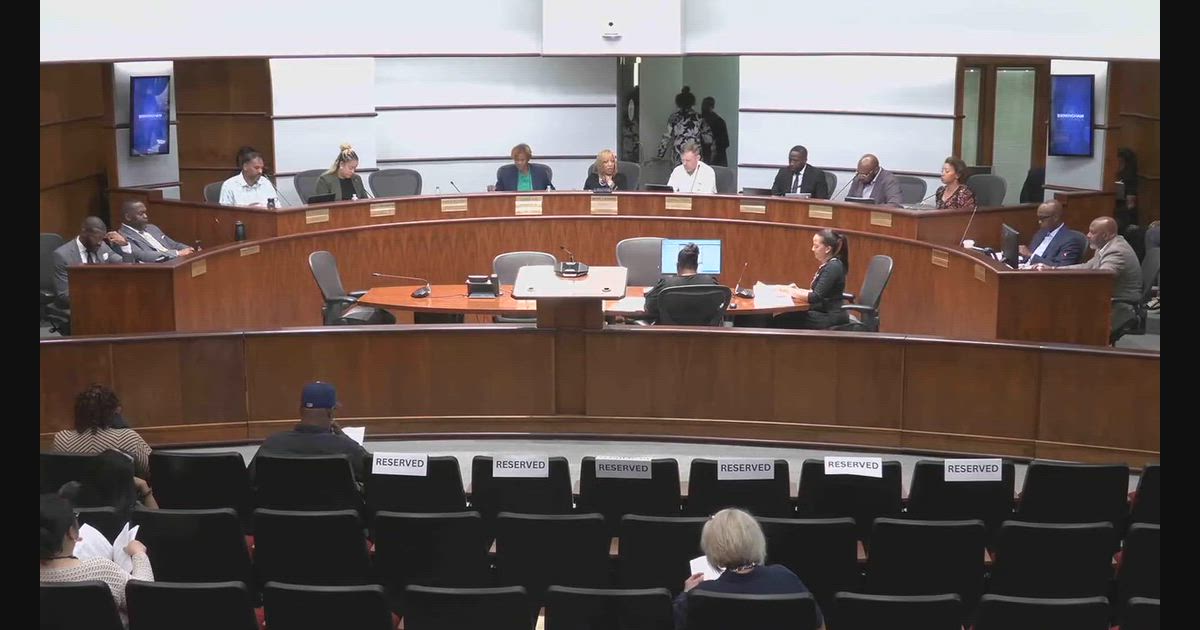 ▶ Watch this moment on USLege “We could quickly add up across storm water, across sidewalks, across paving. We could easily get to a couple billion dollars of unmet needs, but the reality is we do not have a couple billion dollars to fix all the things that need to be fixed.” A city official identified in the meeting as Chief Fowler, Sept. 29. 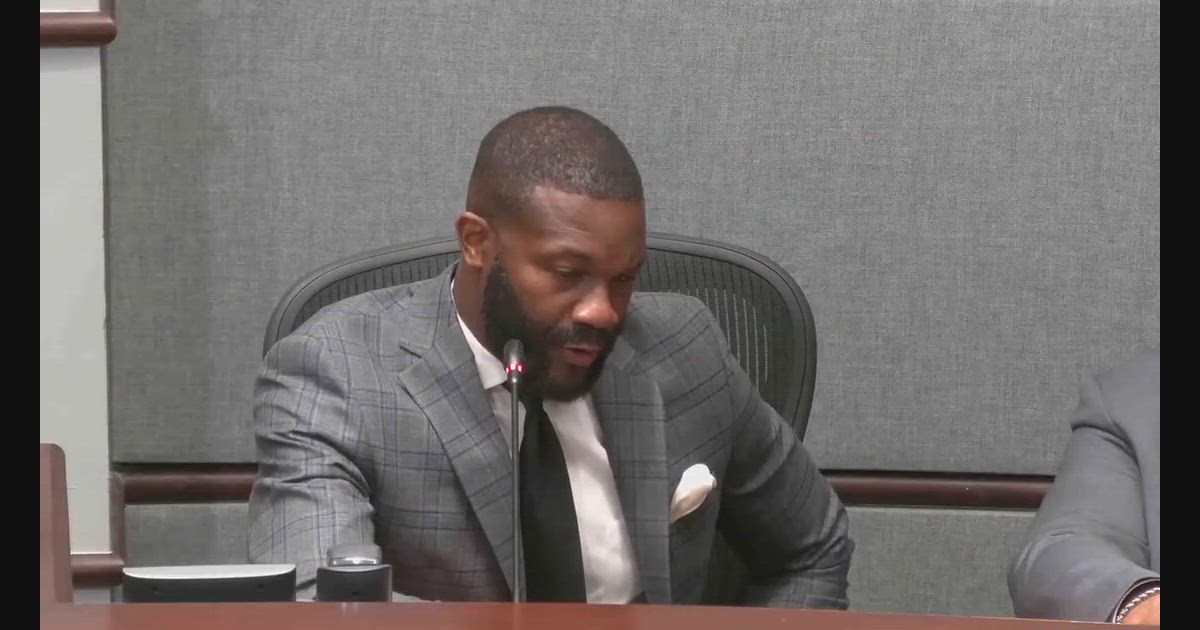 ▶ Watch this moment on USLege “So for these plans, it should take about a year to complete these plans.” Chief Fowler, on the Urban Villages planning timeline, Sept. 29. 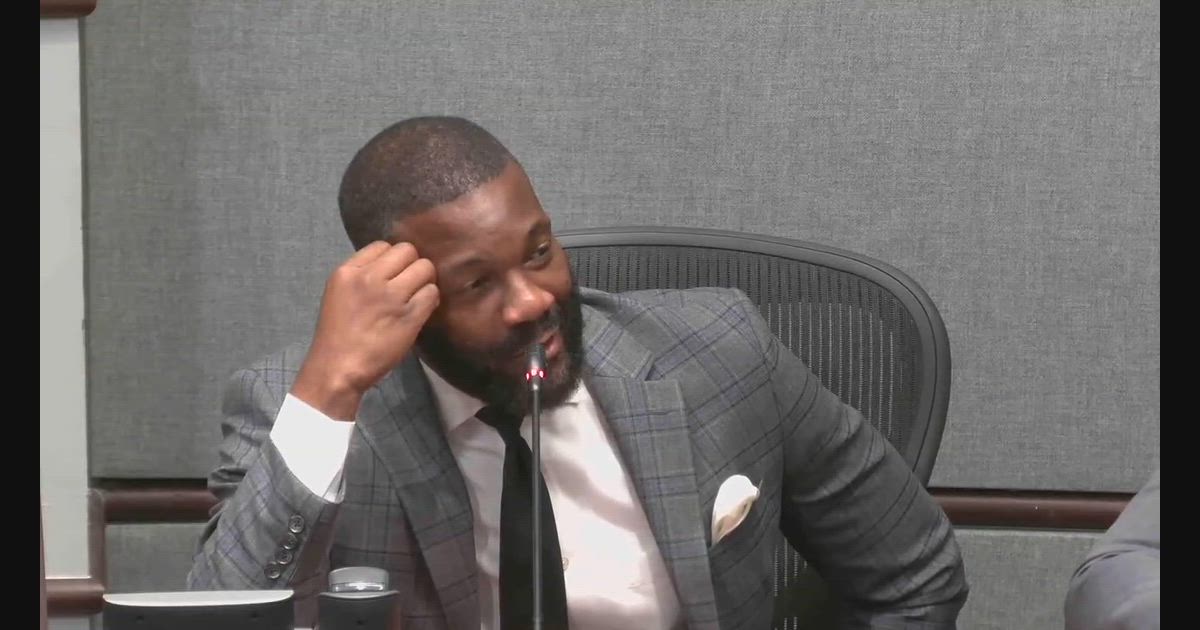 ▶ Watch this moment on USLege “I would rather those resources you all blessed and approved in March, I would I would love to get into one of those areas and just dump it all in there and just go.” Mayor Randall Woodfin, on the pace of Urban Villages spending, Sept. 29. Why it matters: The Mountain Brook agreement shifts day-to-day patrol responsibility at a park inside Birmingham’s limits to a neighboring city. The Urban Villages contracts commit planning dollars to eight specific neighborhoods first; residents of the other four, where the city says planning is already underway or recently completed, are not getting a new consultant-led process under this round of funding. 04 · Local Government: Mobile A council member’s request for faster word on police incidents draws a public rebuke and a council floor dispute At its Sept. 29 meeting, the Mobile City Council’s public comment period became a dispute over a request Councilwoman Samantha Ingram and other council members made at a Public Safety Committee meeting the week before: that police leadership share preliminary, factual information with council members when an incident spreads on social media, rather than council members learning details alongside the public or the media. A resident, Sabrina Mass, used her three minutes of public comment to challenge Ingram directly, saying council members should not insert themselves into the police department’s operational reporting and that Executive Director of Public Safety Curtis Graves and the police chief, both of whom the council appointed unanimously, should be allowed to run the department. Ingram responded that she had not asked for a change in protocol or for information that cannot legally be shared, only that the council be “informed in a timely and accurate way” so members can answer constituents. Councilman Cory Penn, by contrast, said Mass’s characterization of the council’s request was itself “misinformation” and said the administration, the council and police leadership are working together; the council president briefly interjected to enforce speaking order after the exchange grew heated. Vice President Gina Gregory, who chaired the committee meeting that prompted Mass’s remarks, said the underlying ask was about the department’s policy for releasing information and about council members learning of incidents before media inquiries and constituent calls arrive. “I support director Graves, and I support the MPD. I am a strong supporter of professionalism and police leadership in Mobile.” Sabrina Mass, Mobile resident, Sept. 29. 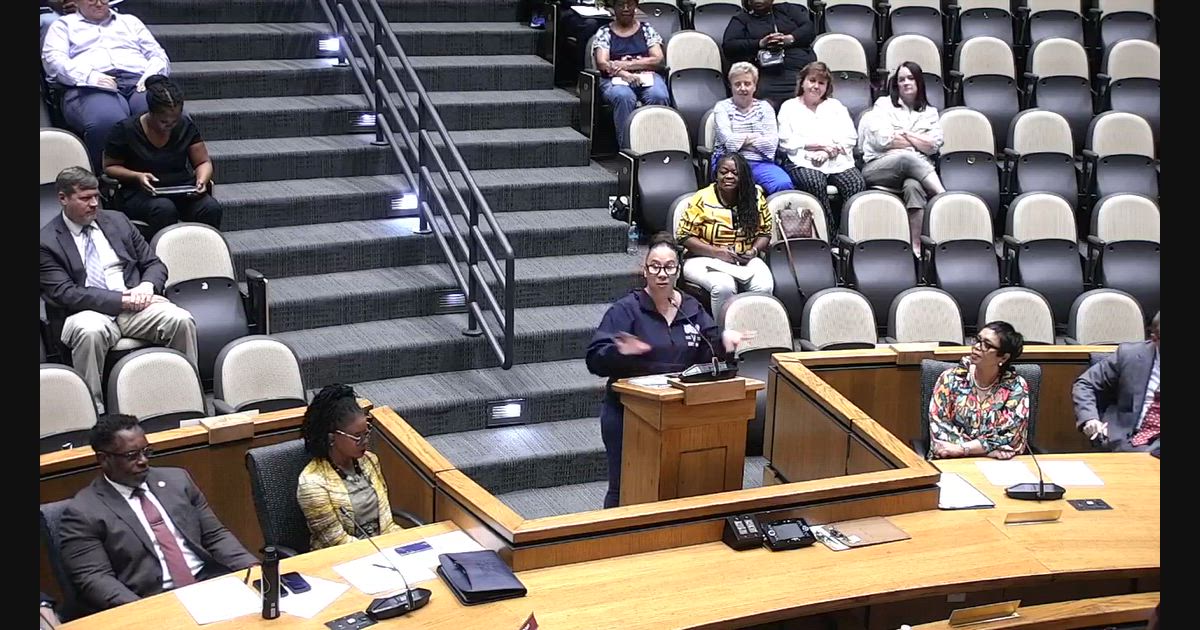 ▶ Watch this moment on USLege “I have not requested a change in protocol, nor have I requested information that cannot legally or appropriately be shared.” Councilwoman Samantha Ingram, Sept. 29. 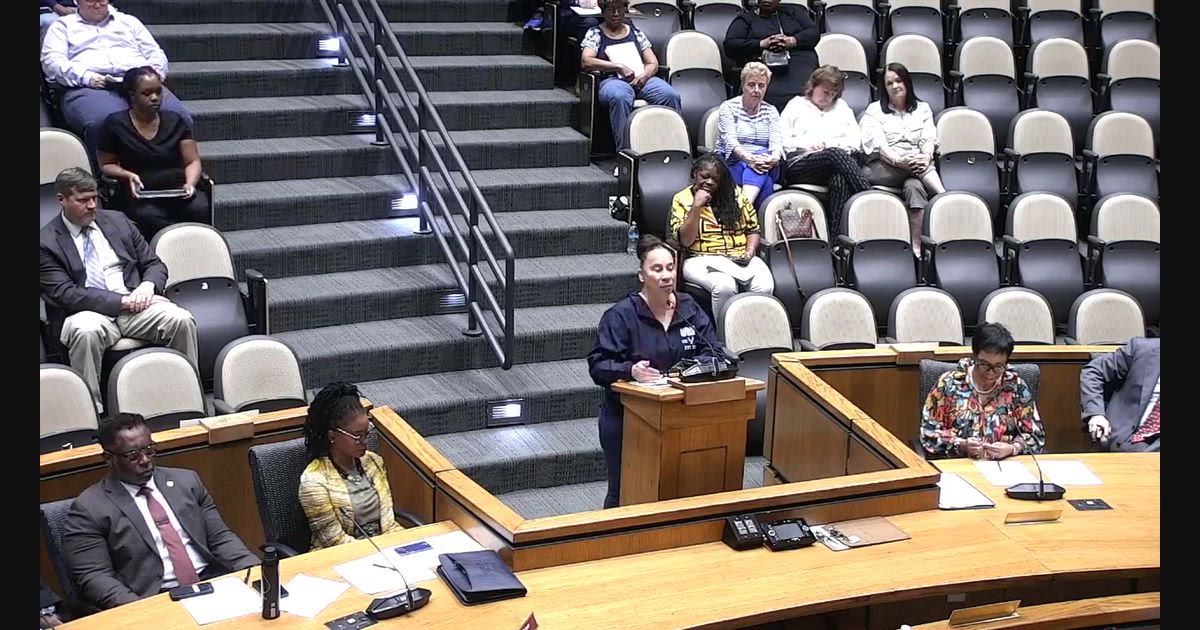 ▶ Watch this moment on USLege “This administration and this council is working together. We have a great relationship with our public safety director Graves, our chief of police, everybody who works in MPD, we’re working together.” Councilman Cory Penn, Sept. 29. 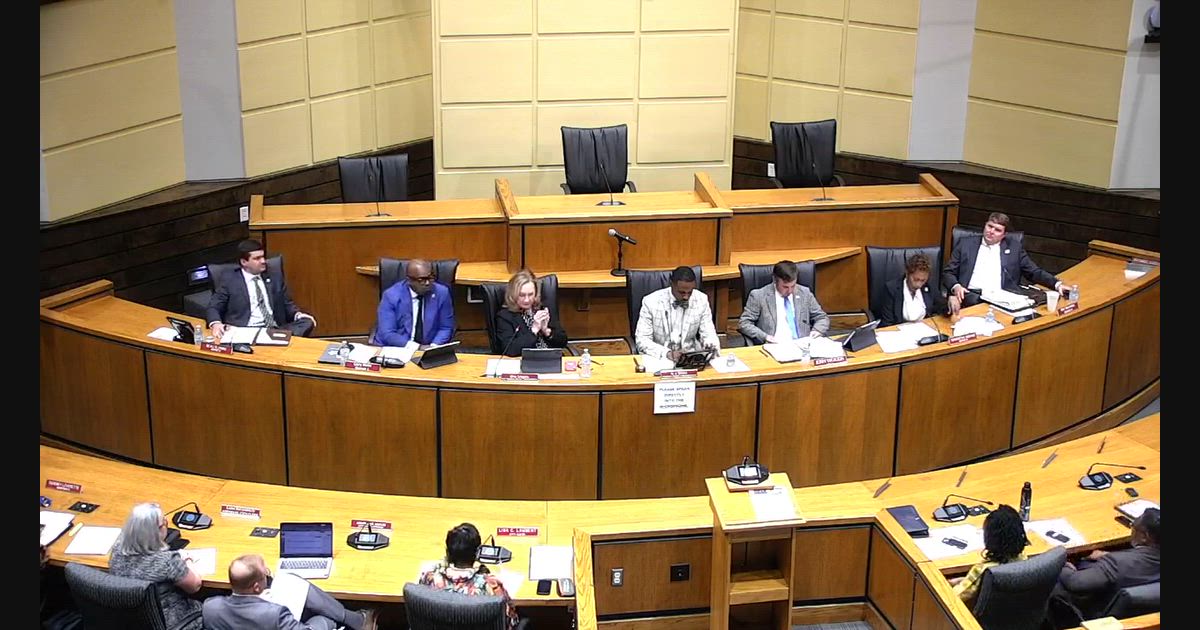 ▶ Watch this moment on USLege “One of the main things that we talked about was information and how do the council members get timely information.” Vice President Gina Gregory, on the Public Safety Committee meeting, Sept. 29. 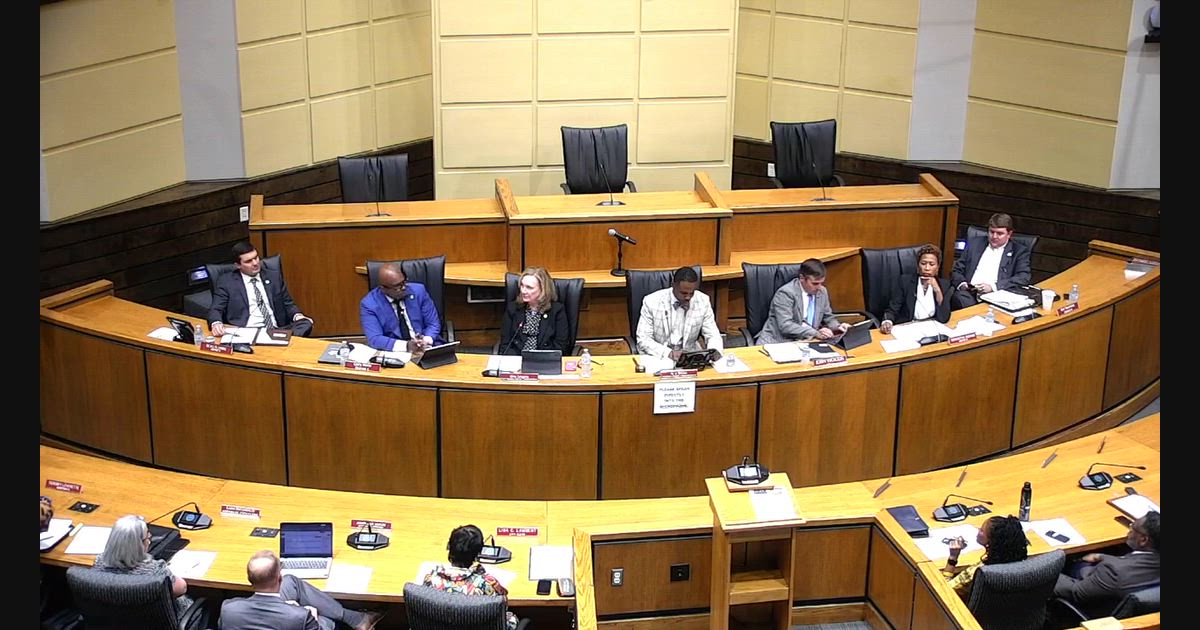 ▶ Watch this moment on USLege Why it matters: The exchange shows council members and a member of the public disagreeing openly over where city council oversight of the police department ends and operational interference begins; no department policy changed, and the council did not revisit the underlying information-sharing request on the record. 05 · Government Technology & Social Services DHR begins a five-county pilot of its new SNAP/TANF computer system, a day after a legislative evaluation committee met The Legislature’s ACES Committee on Evaluation met at the State House on Oct. 1, a day before the Alabama Department of Human Resources (DHR) began piloting ACES (the Alabama Combined Eligibility System), its new computer system for the Supplemental Nutrition Assistance Program (SNAP, formerly food stamps) and Temporary Assistance for Needy Families (TANF). The committee’s agenda and the substance of its discussion were not available in the public record as of this issue. DHR announced Oct. 1 that ACES replaces 12 separate legacy systems with one platform built around three portals: one for DHR staff and caseworkers, one for current and prospective SNAP and TANF clients, and one for workforce-placement providers. The client self-service portal went live Oct. 5 in five pilot counties (Montgomery, Elmore, Tuscaloosa, Dallas and Talladega), where DHR says it will mail clients more detailed instructions on Oct. 8. DHR Commissioner Nancy Buckner said the new system does not change clients’ benefit issuance dates or amounts; the department says a statewide rollout is tentatively planned for January 2027, pending results of the pilot. “Creating this new eligibility system has been years in the making, but as we prepare for the final phases of launch, we are proud of what this new system will mean to our clients, providers and staff.” Nancy Buckner, DHR Commissioner, in an Oct. 1 statement. Why it matters: ACES replaces the systems SNAP and TANF clients and caseworkers use statewide; how the five-county pilot goes will inform whether DHR’s tentative January 2027 statewide rollout date holds. USLege found no public record of what the Legislature’s evaluation committee discussed at its Oct. 1 meeting. Also moving this week A housekeeping order and recreation grants • Governor: Gov. Ivey signed Executive Order 746 on Oct. 1, rescinding a number of prior executive orders; the order’s full text was not yet posted as of this issue. • Recreation: ADECA announced $6.1 million in federal Land and Water Conservation Fund grants for park projects in Athens, Boaz, Cleveland, Gadsden, Priceville, Troy and Trussville. • Huntsville: The City Council certified incumbent Jennie Robinson’s win in the Sept. 22 District 3 runoff, 3,773 votes to 3,434 for Liliana Peinder. • Attorney General: Steve Marshall joined Louisiana and Arkansas in a U.S. Supreme Court filing challenging abortion “shield laws” in New York, California and Massachusetts. |
What we are watching • Subcommittee reports to the carbon-storage commission, expected around Dec. 15.
• ACES’s five-county pilot ahead of a planned statewide rollout in January 2027.
• Progress on Birmingham’s eight Urban Villages community plans, each expected to take about a year.
• Whether Mobile council members and police leadership settle on a standing process for sharing preliminary incident information. |
What we are tracking A new study commission, a technology rollout, and two city halls This week’s Alabama record ran from a newly created legislative study commission and a statewide benefits-system rollout to two of the state’s largest city halls. USLege indexes legislative committees, agencies and local governments together, with searchable transcripts and clips for every quote in this issue. |
Join us live Upcoming webinars: this week and into October Wed, Oct 7 · 1:00 PM ET · Government affairs A framework for planning your 2027 session now: where to focus across the states, what to watch, and how to plan resources before session starts. Save my seat →Tue, Oct 13 · 1:00 PM ET · For USLege customers Portals and reports for sharing outward, plus automating recurring reports to save hours a week. Save my seat →Wed, Oct 14 · 12:00 PM ET · Think tanks and small nonprofit teams Track more issues and brief leadership faster, without adding staff. Save my seat →Wed, Oct 21 · 1:00 PM ET · Associations and chambers Turn legislative activity into a clear ROI story that shows your board what your policy work protected and won for members. Save my seat →Can’t make one live? Register anyway and we’ll send you the recording. |
Coming up See every hearing, meeting, and deadline, live USLege’s legislative calendar tracks hearings, meetings, and filing deadlines across every jurisdiction we cover. |
Get your state’s weekly read Texas, DC, Alabama, Utah, Georgia, Indiana, Kansas, Montana, Oregon, Kentucky, Wyoming, Arizona, Tennessee, Arkansas, North Carolina, and more editions rolling out every week. |
|
