|
Issue 1 · Tuesday, September 1, 2026 · Week of August 24 to August 31 · Strictly nonpartisan
|
|
The Legislature is out of session, so this week Alabama governed through its agencies, counties, and cities instead.
|
Note from the founder
We built the Political Spotlight on one rule: just the facts.
We have the most complete record of government anywhere, and every week we bring you what’s actually happening across your state. Local, state, federal, regulatory. In session or out. No spin, no take, no political angle. If it happened in government, we tell you it happened.
I’ve spent a decade inside government watching people make decisions on incomplete information, or worse, someone else’s interpretation of what happened. This newsletter exists so you never have to wonder whose lens you’re reading through.
Welcome. Let’s get into it.
Want to subscribe to another state instead? Click below to sign up for your state’s edition.
|
|
ADEM moved to strip the EPA's default risk values from Alabama's own water-quality rule under a new state law; Jefferson County celebrated 152 U.S. Steel jobs the same session it heard a demolition dispute and an unresolved property-taking claim; Birmingham's Budget and Finance Committee pushed $2 million into financial literacy and down-payment assistance in a single afternoon; and Mobile's Public Safety Committee rewrote its animal ordinance live, striking ferrets and breed-specific rules after a pet-store owner's testimony changed the draft on the spot.
|
|
01 · Environment
ADEM moves to strike EPA's default risk values from Alabama's water rules
The Alabama Department of Environmental Management (ADEM) held a public hearing on August 24 to revise the state's water-quality-criteria rule, Alabama Administrative Code 335-6-10. The change removes a requirement to default to the U.S. Environmental Protection Agency's Integrated Risk Information System (IRIS) values when computing numeric water-quality criteria. ADEM's Jennifer Hasselbauer, Chief of the Standards and Planning Section in the Water Quality Branch, told the hearing the revision implements Alabama Act 2026-81, meaning the change originates with the Legislature, not with ADEM itself. A second, unrelated item in the same rule corrects a punctuation error in the surface-area value for Woodruff Lake.
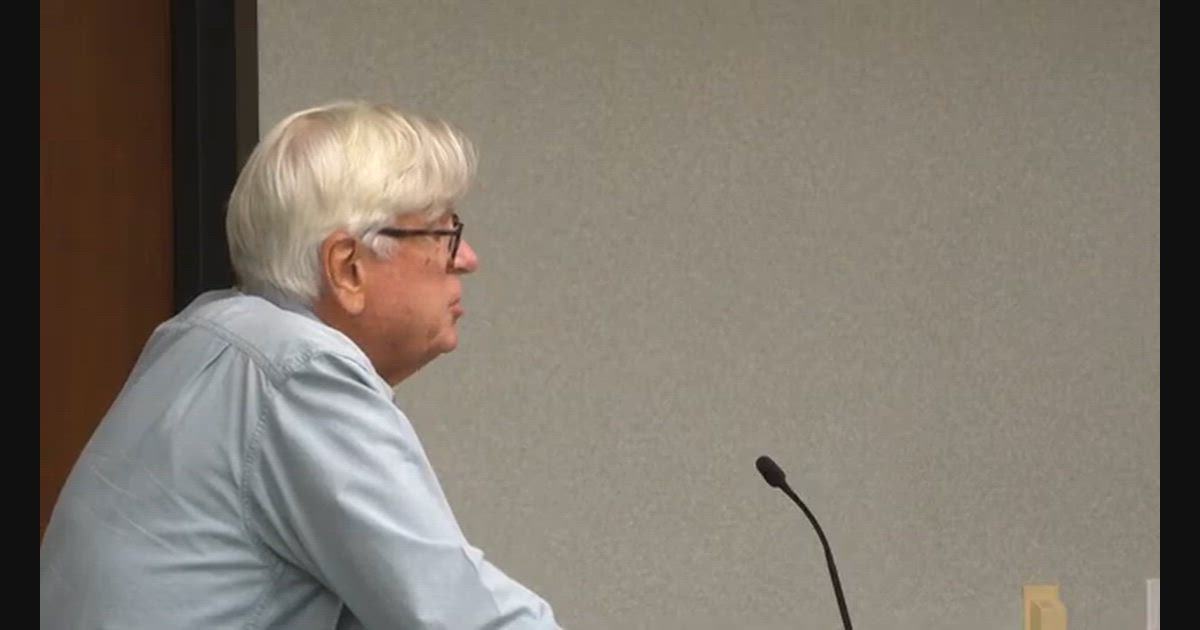
Only one member of the public spoke: Matt Campbell, a board member of Lake Watch of Lake Martin, a citizen water-monitoring group. Campbell said Lake Watch supports the amendment, and separately urged that Act 2026-81 "should not be broadly construed" to limit the judgment of ADEM and the Alabama Environmental Management Commission (AEMC, the appointed body that must adopt the rule before it takes effect) in future clean-water decisions: support paired with a caution, not an unconditional endorsement. No one registered in opposition at the hearing; the hearing officer noted no further speakers and closed the comment record. The rule next goes to the AEMC for adoption.
“Not only Lake Watch but citizens of Alabama have trusted the Alabama Environmental Management Commission and trusted ADEM for as long as we can remember with the responsibility of protecting our precious and valuable clean water resources of this state. And we want you to continue to do so. We trust you to do so.”
Matt Campbell, board member, Lake Watch of Lake Martin, Aug. 24.
▶ Watch this moment on USLege
Why it matters: this is a formal rulemaking hearing on a statewide standard, touching every water body in Alabama subject to state numeric water-quality criteria. It is also the first public confirmation of how ADEM is implementing Act 2026-81's directive. No opposition surfaced at this particular hearing; that is not the same as no opposition existing anywhere in the record, since written comments outside the hearing were not part of this review.
|
|
02 · County government
Jefferson County cites 152 U.S. Steel jobs, then hears a demolition dispute and an unresolved property-taking claim
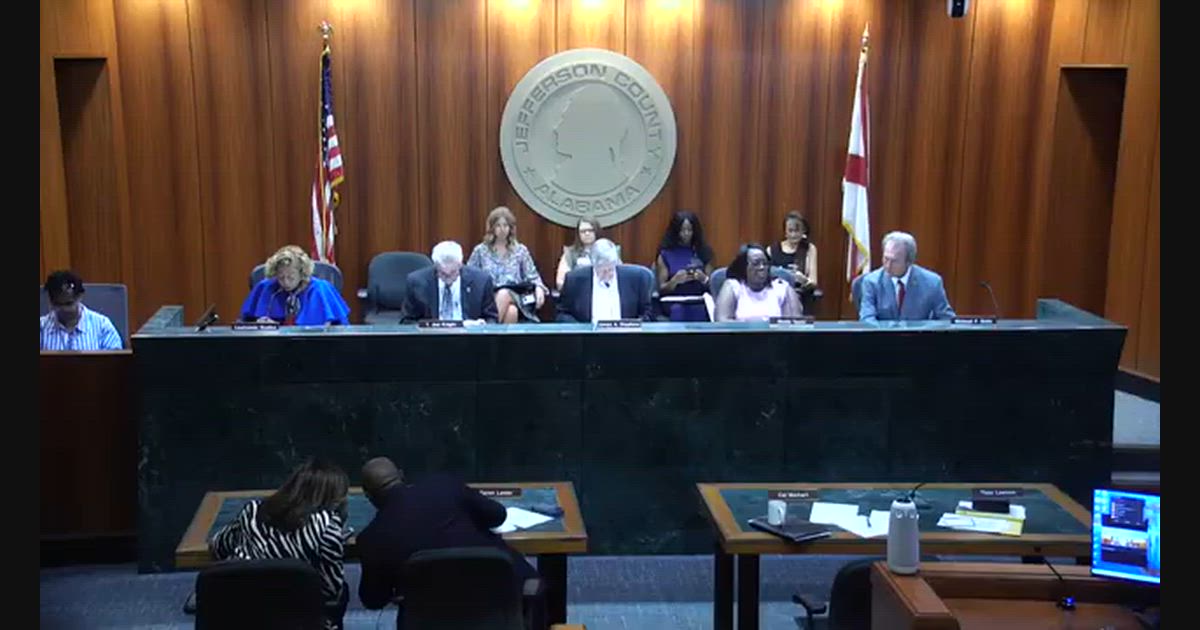
One Jefferson County Commission meeting on August 27 carried two very different property stories. The commission unanimously approved a jobs grant tied to a U.S. Steel expansion at its Fairfield-area mill, with zero public comment for or against. Commissioner Lashunda Scales, in closing remarks, credited the resolution with 152 jobs created; that figure is Scales' own stated number, not yet independently corroborated by U.S. Steel or state economic-development records.
In the same session, the commission held a public hearing on special-assessment liens for four county-ordered demolitions. A resident, speaking for his absent sister, the owner of record for a demolished house on Elm Street, asked why that property was targeted while other, allegedly worse, houses nearby still stand. A county code-enforcement officer explained the case was opened before the neighboring blighted properties specifically because the house had a collapsed roof, was structurally unsound, and had documented break-ins with children entering the vacant structure (a public-safety rationale, not an arbitrary pick). The resident said he understood once he learned the lien would run closer to $4,000 than the $18,000 to $19,000 he had been quoted by phone; that cost discrepancy was not resolved for the family until the hearing itself.
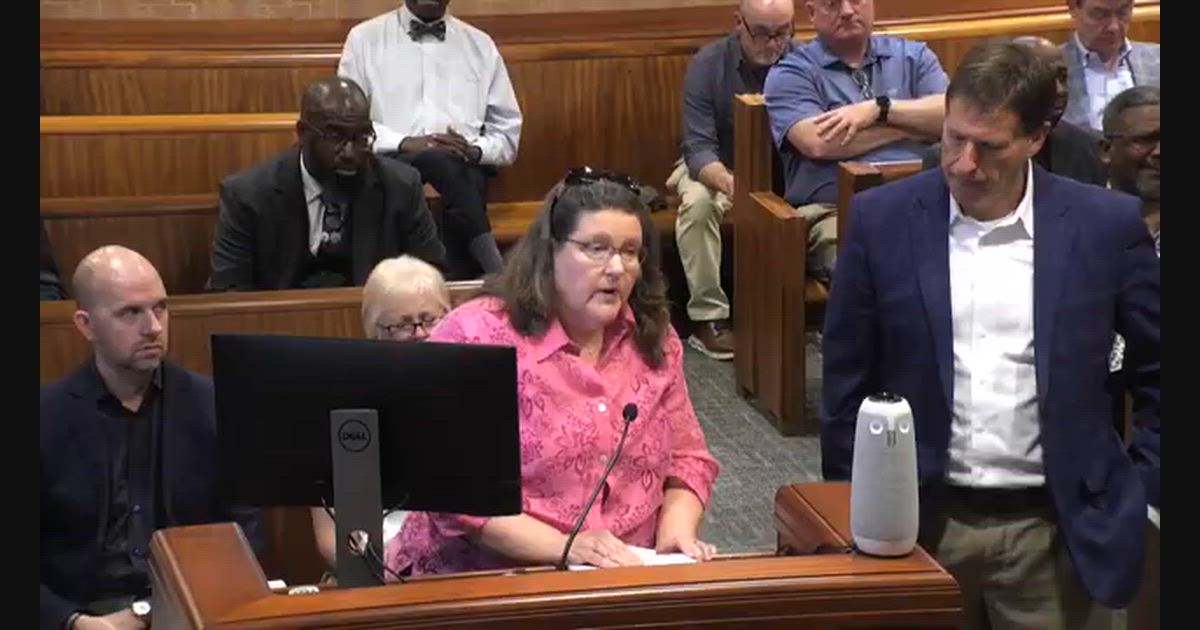
Separately, and not on the agenda, Vestavia Hills resident Anne McCarty told the commission the county had taken her family's property through a deed she says she never saw. The commission has no mechanism for non-agenda public comment; it did not address her claim on the merits, and staff took her contact information and directed her to her district commissioner's office and county counsel. The absence of a response on the record should not be read as either confirming or denying her allegation; it reflects the meeting's format, not a judgment on the substance.
“I am very appreciative of the economic development that is happening in and around the city of Fairfield. And I'm very thankful that a 152 jobs have been created as a result of an action that was taken today by this commission.”
Commissioner Lashunda Scales, Aug. 27.
▶ Watch this moment on USLege
“I need a hearing set, please. We've had property taken from us. Mister... Chapman created a deed that we had to sign to the county, and now the county owns our property in y'all's records.”
Anne McCarty, resident, Vestavia Hills, Aug. 27.
▶ Watch this moment on USLege
Why it matters: the demolition hearing is a rare, visible look at how the county's own notice and lien process actually works when a resident pushes back, useful for anyone facing the same situation. McCarty's allegation remains a resident's claim, not an established fact; the county's silence in this forum was structural, not a denial.
|
|
03 · City government
Birmingham commits $2 million to financial literacy and down-payment assistance in one session
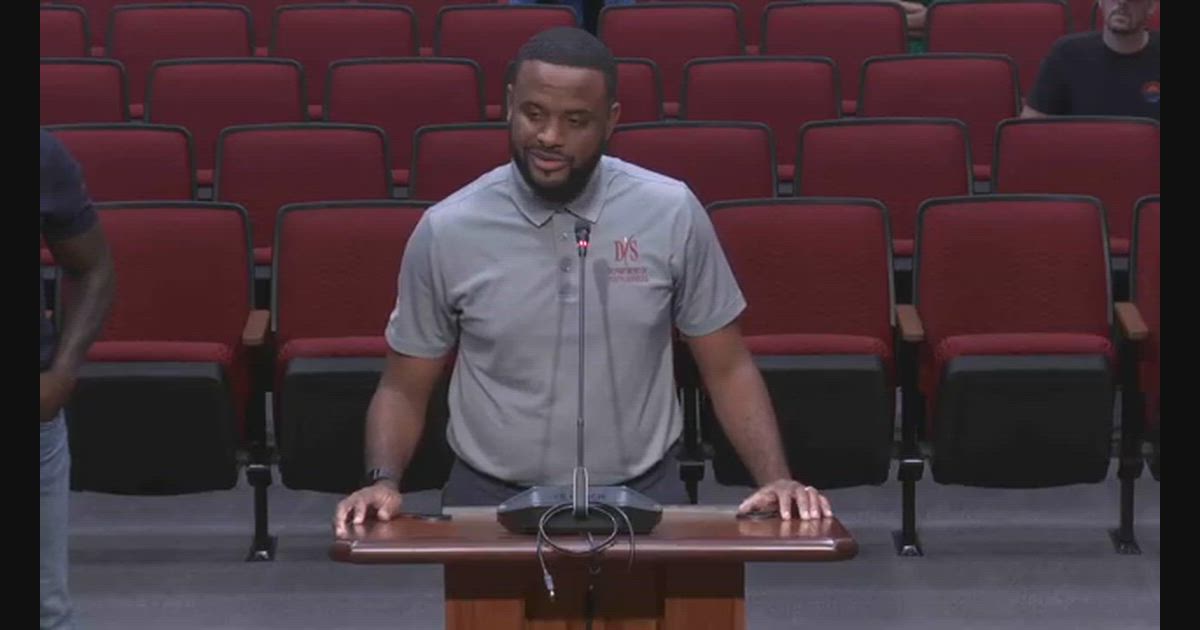
Birmingham's Budget and Finance Committee moved a full slate of funding items to the full city council on August 24, all but one passing by unanimous voice vote. Isaac Cooper of the Financial Freedom Project, a financial-literacy partnership with the Birmingham Board of Education, told the committee a $1 million commitment would expand the program, for the first time, into every Birmingham City School, third grade through twelfth, up from 27 schools last year. Cooper's presentation projected the expansion would reach 60 to 75% of the district's roughly 20,000 students in the upcoming school year; that figure is a target for the coming year, not a result already achieved.
The committee also converted a $500,000-a-year down-payment-assistance contract with Neighborhood Housing Services (NHS) into a two-year, $1 million commitment. Cory Stallworth, Senior Deputy Director of Community Development for the city, said the program has closed about 89 loans for homebuyers since it began in 2024, and NHS's Shante Ross confirmed a pace of roughly 45 loans a year. Eligibility is capped at 80% of area median income (AMI) for buyers purchasing within Birmingham city limits. The committee also formalized a multidisciplinary child-abuse response team with the Birmingham Police Department (BPD) and approved an $82,600 transport van, funded from leftover Alabama Department of Economic and Community Affairs (ADECA) CARES Act money rather than American Rescue Plan Act (ARPA) funds, for the city's unhoused-services site.
The one item that did not simply pass through: a vehicle donation from the Birmingham Emergency Communications District (E-911) to BPD. A committee member flagged that the donation might require separate action by the E-911 board, since council members also sit as E-911 commissioners. The item was sent to full council with "no recommendation" pending a legal opinion, a governance question rather than an objection to the donation itself.
“As we move into our fifth year, we are excited to share for the first time we will be in all Birmingham City Schools, third grade all the way up to twelfth.”
Isaac Cooper, Financial Freedom Project, Aug. 24.
▶ Watch this moment on USLege
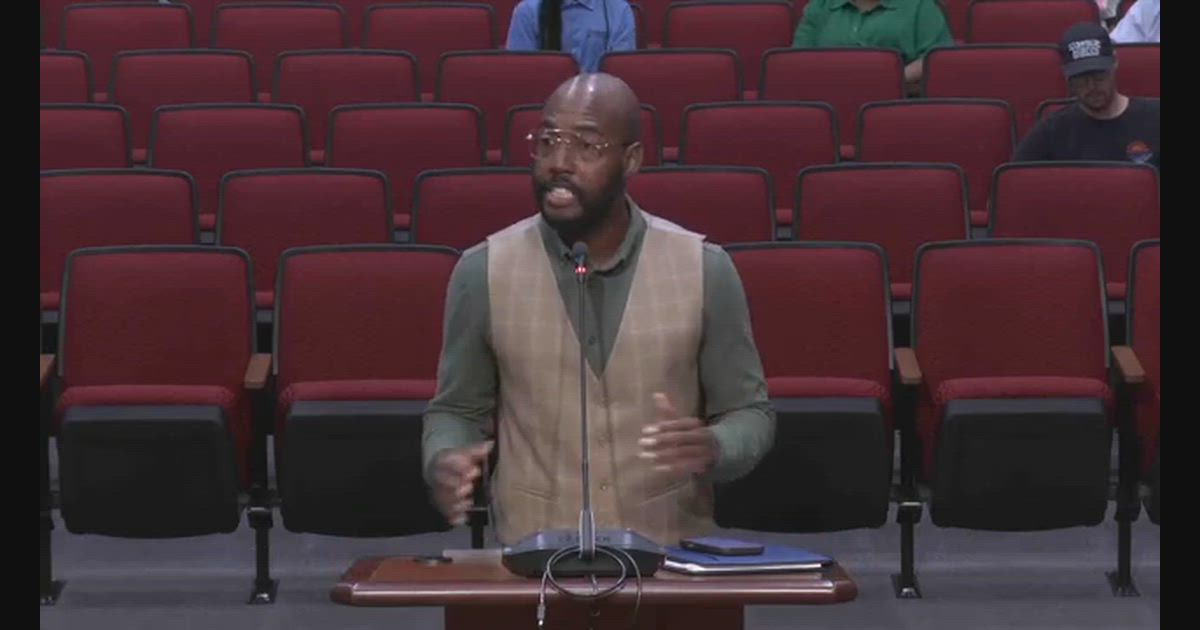
“To date, we have closed, since the program started, about 89 loans, supporting 89 loans for homebuyers. And so we would like to keep this momentum going.”
Cory Stallworth, Senior Deputy Director of Community Development, City of Birmingham, Aug. 24.
▶ Watch this moment on USLege
Why it matters: the down-payment program's eligibility rules (80% AMI, city residency) are now on the public record for any Birmingham resident weighing whether to apply. Every funded item passed without recorded opposition; the E-911 item is the session's one open governance question, not a substantive dispute.
|
|
04 · City government
Mobile strikes ferrets and breed-specific rules from its animal ordinance rewrite, live, on the record
Mobile's Public Safety Committee held a working session on August 25 on the city's first comprehensive animal-ordinance rewrite since 2022. The draft's central structural change removes breed-specific language entirely from the definition of "high-risk animal," replacing it with a bite-or-attack-history standard plus a narrow list of categories: monkeys, snakes, and poisonous or venomous animals. Robert Bryant, Director of Mobile Animal Services, said the ordinance's hoarding-exemption threshold and licensing requirements were built from department experience, including a prior case that removed 34 dogs from a single property, and are aimed at unlicensed high-volume backyard breeders rather than households with a handful of well-cared-for pets.
Public testimony changed the draft in real time. Sally Trufant, an owner of the Mobile pet store B&B Pet Stop, told the committee ferrets pose negligible bite risk compared to cats, and asked that pet stores be explicitly added to the ordinance's exemption list alongside shelters and rescues. Committee Chair Gina Gregory accepted both changes on the spot, before the meeting ended. A parallel discussion covered sequencing the city's own tethering rule against Alabama's new statewide anti-tethering law, known as " Beau's Law" ( SB361), which takes effect October 1, 2026; the committee wants no enforcement gap between the two.
No vote was taken. One committee member said on the record she was "not prepared to vote" without comparing the current ordinance to the proposed rewrite side by side. Councilman Ben Reynolds, reported to have his own pending amendments, was absent and did not weigh in; his position should not be assumed either way.
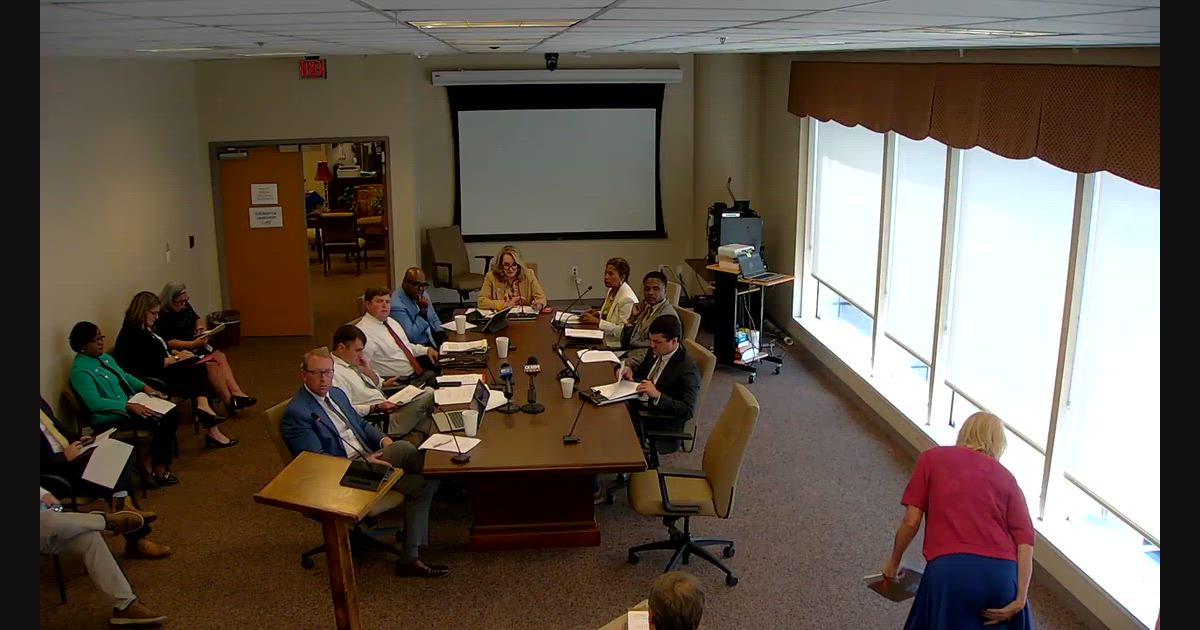
“I'm still caught up in the whole high risk ferret thing. I mean, ferrets are no risk... a cat bite is riskier. I'd be more worried about a cat bite than a ferret bite.”
Sally Trufant, owner, B&B Pet Stop, Aug. 25.
▶ Watch this moment on USLege
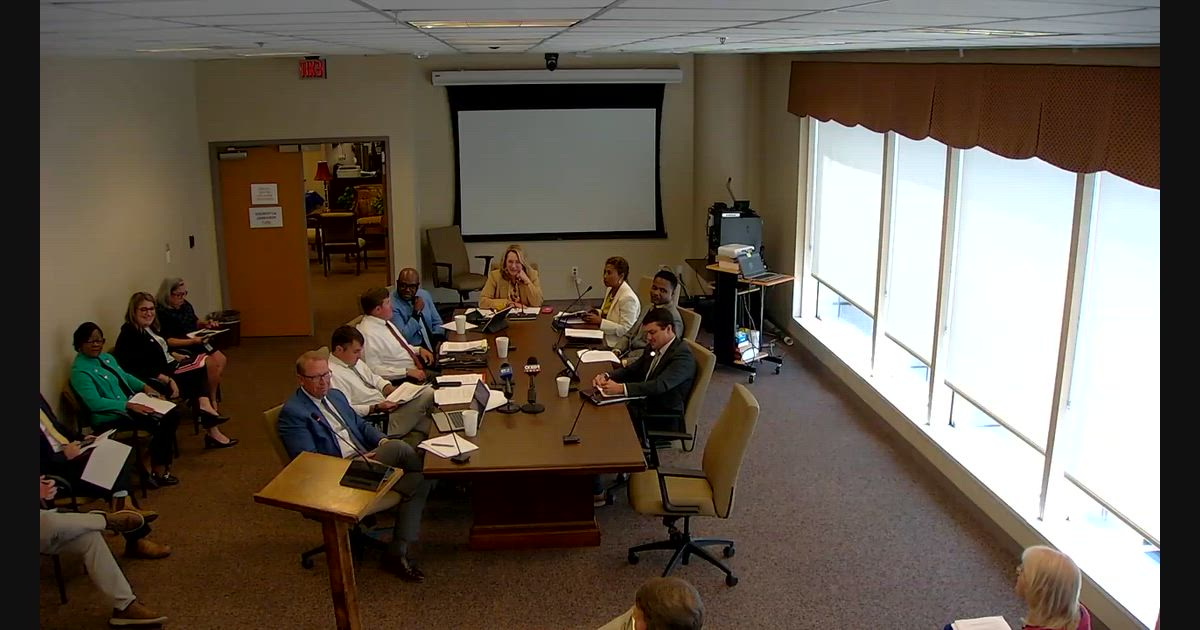
“We're strike the word ferrets. ... Ferret is out.”
Gina Gregory, Committee Chair, Public Safety Committee, Aug. 25.
▶ Watch this moment on USLege
Why it matters: residents can see exactly how public comment altered ordinance language before any vote was taken, a rare and visible example of the process working as designed. No organized opposition to the rewrite's overall direction was recorded; the narrow objections that did surface (ferrets, the pet-store exemption) were heard and incorporated, not overridden.
|
|
Also moving this week
Municipal budget season, statewide
Several Alabama cities held budget work sessions this week, including Auburn's mid-biennium budget workshop and Prattville's council budget sessions, that were line-item walkthroughs without a recorded decision, dissent, or new information. Together they mark the start of the annual municipal budget cycle that will run through the fall in cities across the state.
|
|
What we are watching
A same-day advisory meeting with no public video yet
A Rural Health Transformation Advisory Group meeting was scheduled for the Alabama State House on August 31, the final day of this issue's coverage window, but no video or transcript had been posted to the archive as of this fetch. We'll check again for next issue. Also on the calendar just after this issue's window: a Mental Health Task Force meeting at the State House on September 2.
|
|
What we are tracking
Building Alabama's record, one meeting at a time
This is the first issue of the Alabama Political Spotlight. With the Legislature out of session until February 2027, USLege's Alabama coverage this week drew on one state-agency rulemaking hearing and three municipal and county government meetings, selected from 31 local-government recordings in the archive for the week. As the Legislature returns to session, USLege's coverage will expand to track committee hearings, floor votes, and legislator activity alongside the agency and local-government record that carried this issue.
|

Join us live
USLege's weekly webinar: live for the people who track legislation for a living
Join USLege's live weekly webinar for a platform walkthrough, a look at new features, and open Q&A with the team, 1 p.m. CT most weeks.
|
|
Coming up
See every hearing, filing deadline, and floor session, live
USLege's legislative calendar tracks hearings, floor sessions, and filing deadlines across every jurisdiction we cover.
|
|
Get your state's weekly read
Texas, DC, Alabama, and more editions rolling out every week.
|
|
Alabama Political Spotlight · Strictly nonpartisan
|
|
|

